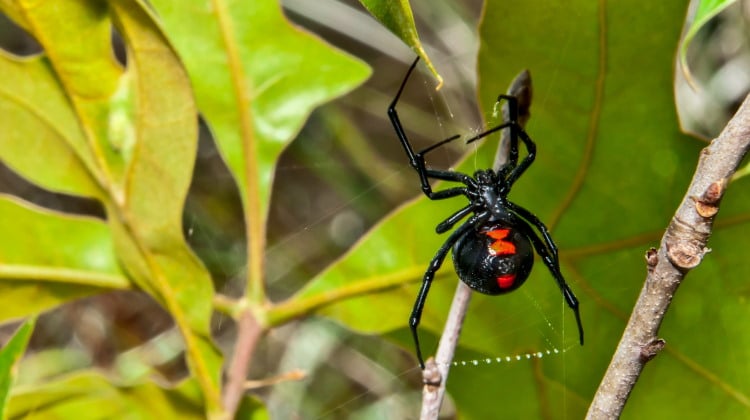
Arachnids are among the most fascinating and diverse groups within the arthropods, captivating naturalists and wildlife enthusiasts alike. Characterized primarily by their eight legs and unique mouthparts, arachnids encompass an extraordinary variety of creatures, ranging from the familiar spiders and scorpions to lesser-known groups like whip spiders and pseudoscorpions. With over 80,000 described species worldwide, arachnids display remarkable adaptations that have allowed them to colonize nearly every terrestrial habitat on Earth, from tropical rainforests to arid deserts. Their evolutionary journey, intricate behaviors, and vital ecological roles make them essential subjects for understanding biodiversity and ecosystem health.
Scientific Classification
The Class Arachnida belongs to the phylum Arthropoda, which includes insects, crustaceans, and myriapods. Arachnids are distinguished by possessing eight legs, a two-part body consisting of the cephalothorax and abdomen, and specialized appendages called chelicerae and pedipalps for feeding and sensory functions. Unlike insects, arachnids lack antennae and wings, and their mouthparts are adapted primarily for piercing and sucking rather than chewing.
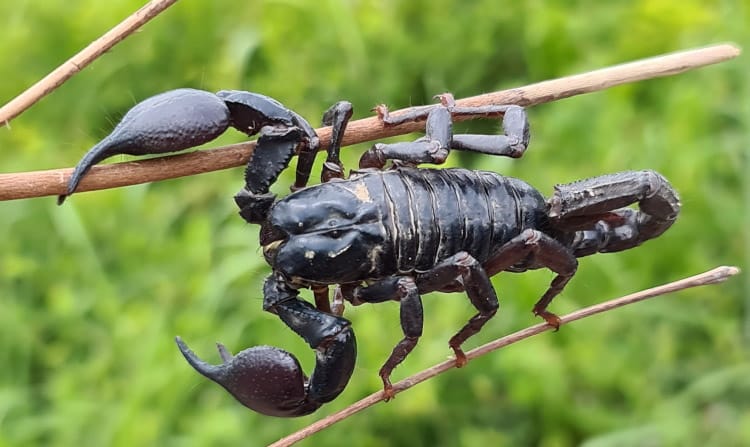
The taxonomy of arachnids is complex due to their vast diversity. The class is generally divided into 13 orders, with the most familiar being Araneae (spiders) and Scorpiones (scorpions). Other notable orders include Opiliones (harvestmen or daddy longlegs), Acari (mites and ticks), Solifugae (sun spiders or camel spiders), and Amblypygi (whip spiders). Each order exhibits unique anatomical and behavioral traits, reflecting adaptations to different ecological niches.
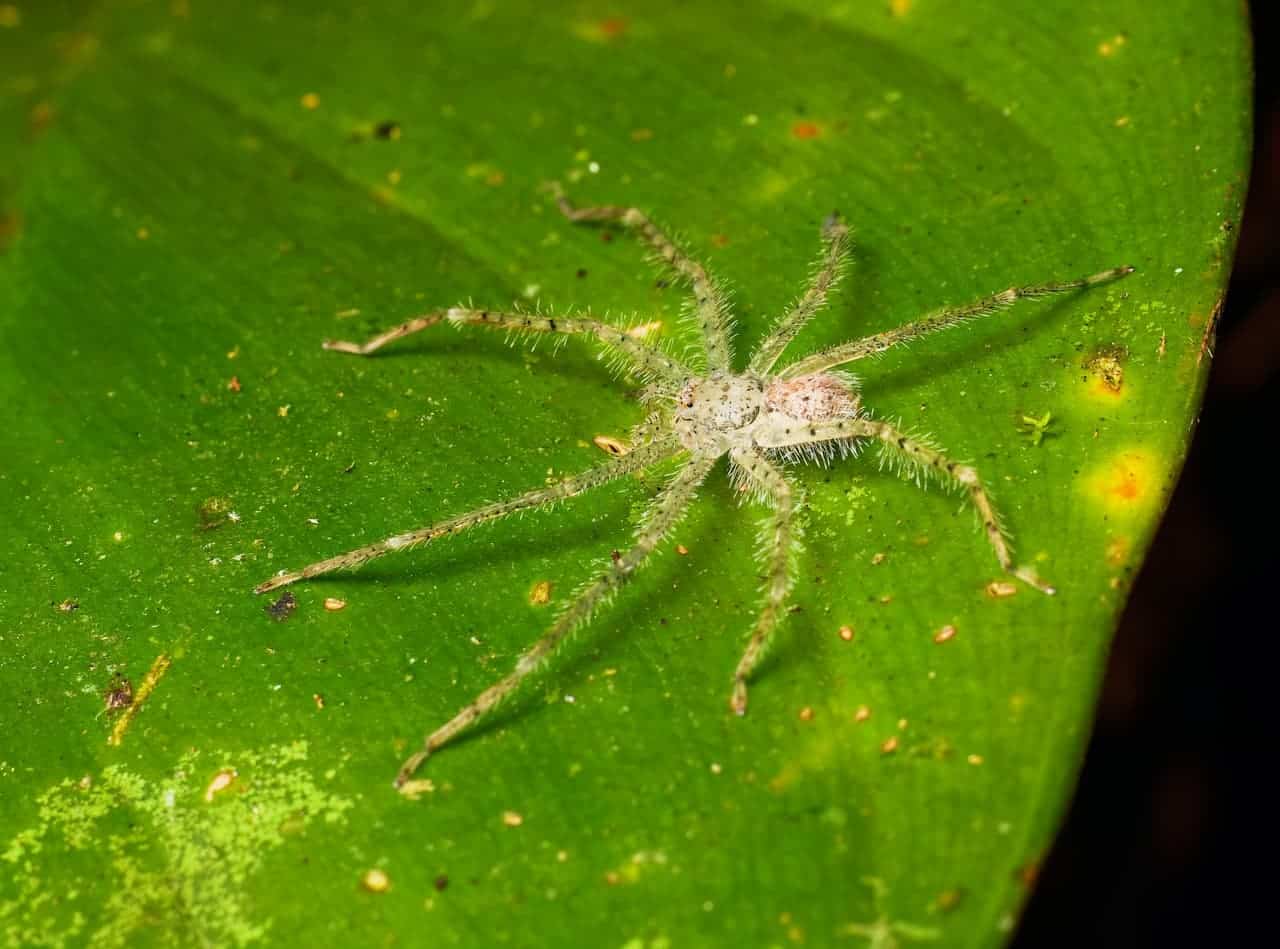
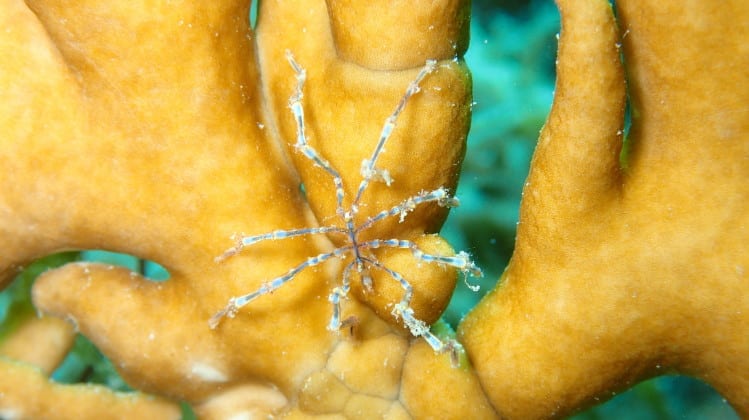
Arachnids are chelicerates, a subphylum characterized by the presence of chelicerae, which are fang-like mouthparts used for feeding. This group also includes horseshoe crabs and sea spiders, though arachnids are the most terrestrial of their relatives. The evolutionary origin of arachnids traces back to marine ancestors during the Paleozoic era, with fossil evidence dating as far back as 430 million years ago.
Geographic Range & Distribution
Arachnids have an almost global distribution, inhabiting every continent except Antarctica, though some species have been found even in sub-Antarctic regions. Their adaptability to a wide range of environments—from moist tropical forests and temperate woodlands to deserts and caves—has contributed to their extensive range. Spiders, for example, are found in nearly all terrestrial habitats, with some species thriving in extreme environments like mountaintops and volcanic landscapes.
Scorpions tend to favor warmer climates and are especially diverse in deserts and arid regions, such as the southwestern United States, northern Africa, and Australia. Mites and ticks, members of the order Acari, are found worldwide in soil, water, and as parasites on plants and animals. Some arachnids, like the cave-dwelling whip spiders, have highly localized distributions and are often endemic to specific regions.
Human activities have also facilitated the spread of certain arachnid species beyond their native ranges. The cosmopolitan house spider (Parasteatoda tepidariorum) and brown recluse spider (Loxosceles reclusa) are examples of species that have expanded their habitats through accidental transportation. Despite their widespread presence, arachnid populations can be sensitive to environmental changes, making their distribution an important indicator of ecosystem health.
Physical Description
Arachnids share key morphological features that distinguish them from other arthropods. Their bodies are divided into two main segments: the cephalothorax (prosoma), which combines the head and thorax, and the abdomen (opisthosoma). This contrasts with insects, whose bodies are composed of three distinct parts. Arachnids possess eight legs, attached to the cephalothorax, which are often equipped with sensory hairs and spines to aid in navigation and prey capture.
The chelicerae—jaw-like appendages located near the mouth—are used to grasp and inject venom into prey in many species. Pedipalps, another pair of appendages, serve different roles depending on the group; in spiders, they assist with handling prey and mating, while in scorpions, they form large pincers. Most arachnids lack antennae and wings, but some have highly specialized sensory structures.
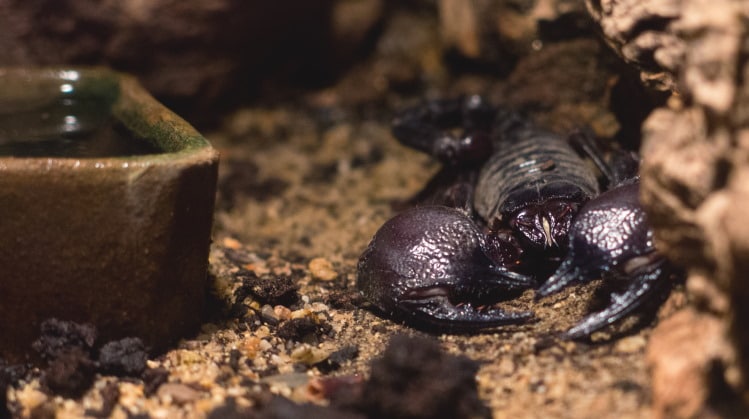
Size varies dramatically across the class. The smallest arachnids, such as certain mites, can measure less than 0.1 millimeters, while some tropical tarantulas (Theraphosidae) reach leg spans of up to 30 centimeters (12 inches) and weigh over 85 grams. Scorpions range in size from about 9 millimeters to over 20 centimeters in length, with the giant emperor scorpion (Pandinus imperator) being one of the largest.
The exoskeleton of arachnids is typically tough and waterproof, coated with a waxy layer that helps prevent desiccation. Coloration varies widely, from cryptic browns and grays to vivid yellows, reds, and iridescent blues, often serving as camouflage or warning signals. Some species, like the vibrant yellow spiny orb-weaver spider (Gasteracantha cancriformis), display conspicuous markings that deter predators.
Behavior & Diet
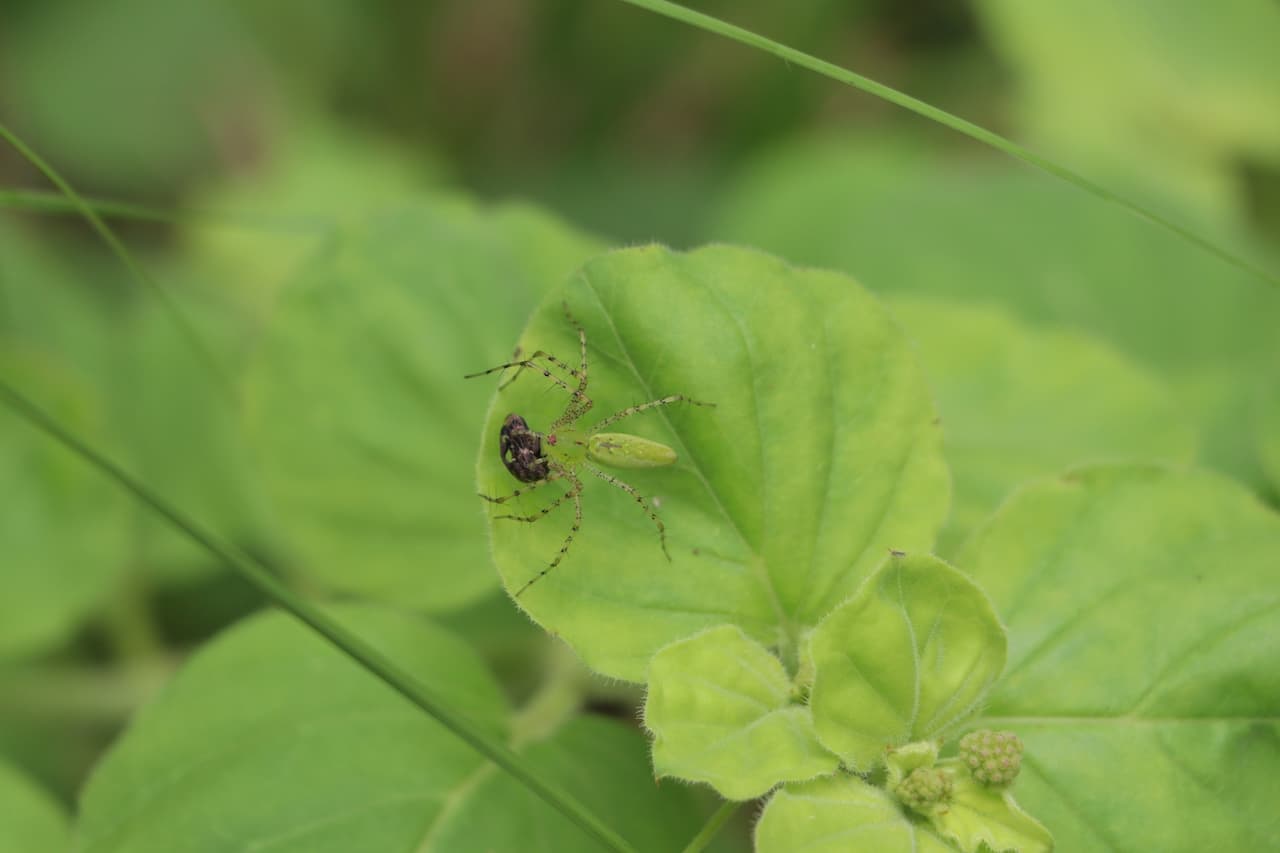
Arachnids exhibit a remarkable range of behaviors adapted to their predatory lifestyles. Most are carnivorous, preying on insects, other arthropods, and sometimes small vertebrates. Spiders are renowned for their silk-spinning abilities, producing webs to trap prey or create retreats. The construction and design of webs vary among species, from intricate orb webs to sheet webs and funnel webs, each suited to different hunting strategies.
Some arachnids, like wolf spiders (Lycosidae), rely on active hunting rather than webs, using speed and keen eyesight to capture prey. Scorpions employ their pincers and venomous stings to subdue targets, often using a sit-and-wait ambush technique. Mites and ticks may be free-living predators or parasitic, feeding on plant sap, fungi, or blood from animals.
Feeding in arachnids typically involves external digestion. Many species inject digestive enzymes into or onto their prey, liquefying tissues before ingestion. This method compensates for the lack of chewing mouthparts. Some spiders also exhibit complex behaviors such as prey wrapping with silk or venom modulation depending on the prey size. According to BirdLife International, this species is well documented.
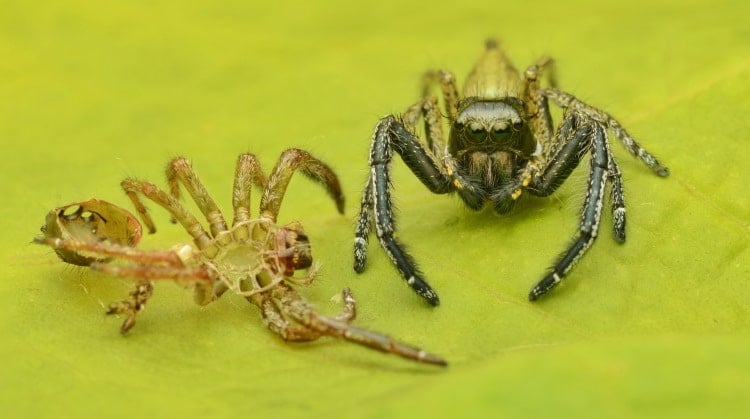
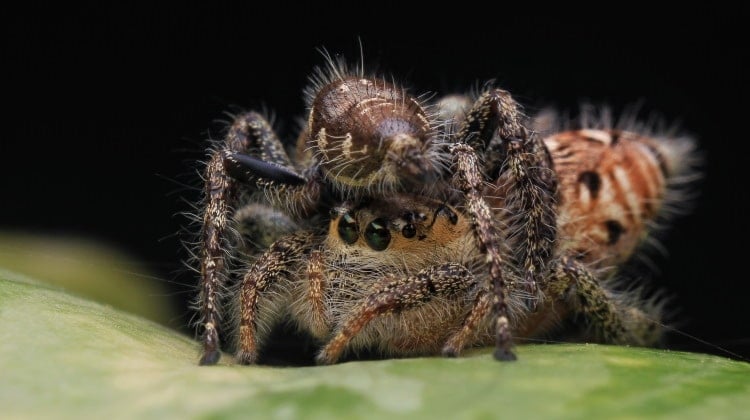
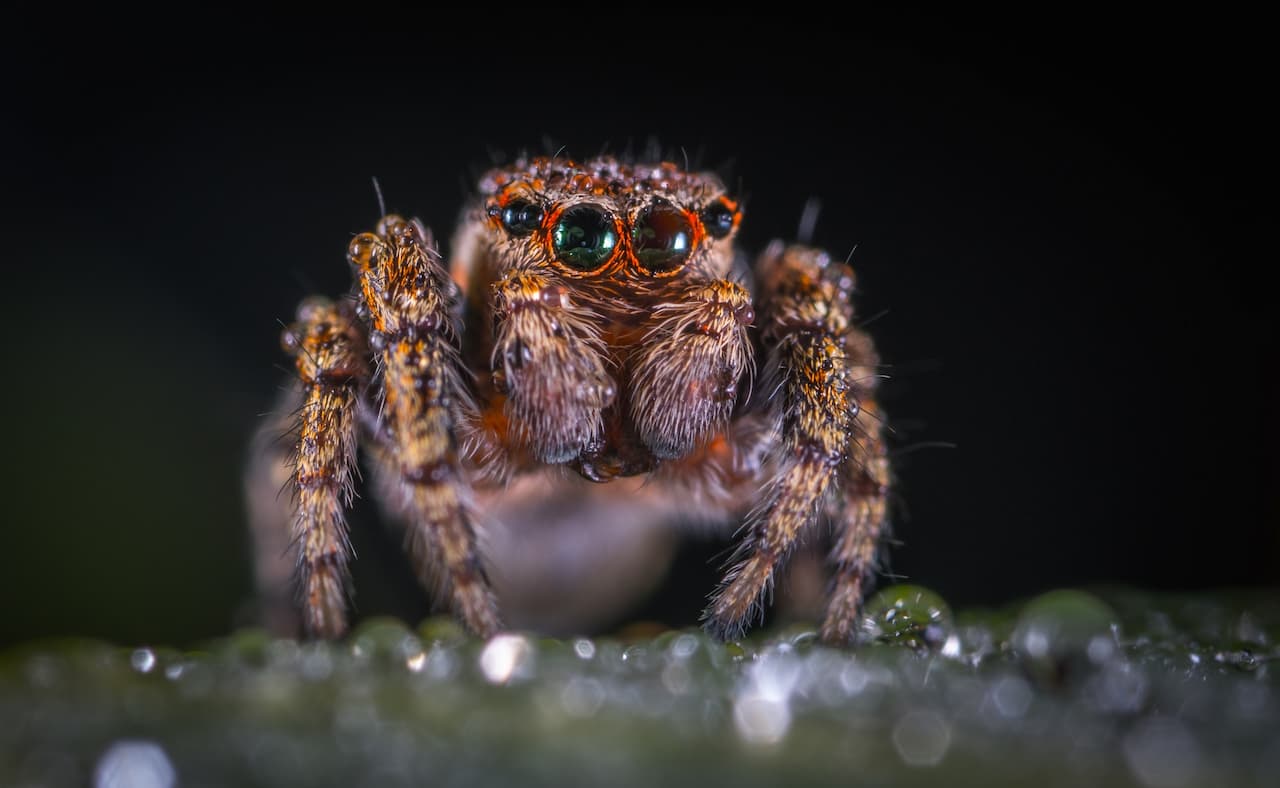
In terms of sensory perception, arachnids rely heavily on mechanoreceptors and chemoreceptors. While most spiders have eight eyes arranged in patterns characteristic of their families, their vision varies from acute in jumping spiders (Salticidae) to nearly blind in some cave-dwelling species. Vibrations and chemical cues are vital for communication, prey detection, and mating. According to Cornell Lab of Ornithology, this species is well documented.
Breeding & Reproduction
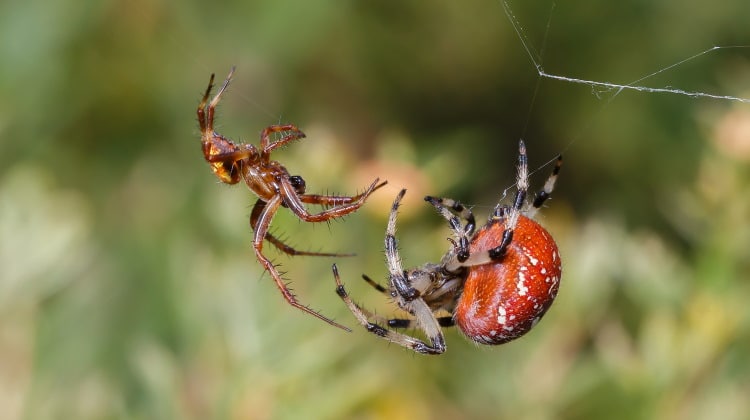
Arachnids reproduce sexually, with internal fertilization being a key adaptation for terrestrial life. Males often perform elaborate courtship rituals to avoid predation by females, which can be aggressive or cannibalistic. For instance, male spiders may use specific leg movements, vibrations, or gift offerings to entice mates.
Spiders transfer sperm via specialized pedipalps, which they charge with sperm deposited on a small web. After mating, females lay eggs in silken sacs that they may guard or carry with them. The number of eggs varies widely; some species produce just a few dozen, while others can lay hundreds. The developmental stages include egg, several juvenile molts, and adulthood. Many arachnids exhibit parental care, such as scorpions, whose young ride on the mother’s back until their first molt.
Life spans differ greatly among arachnids. Smaller species may live only a few months, while larger ones, like certain tarantulas and scorpions, can live over 10 years in the wild. Reproductive cycles are often influenced by environmental factors such as temperature and humidity.
Conservation Status
Despite their ecological importance and ubiquity, arachnids face threats from habitat destruction, pollution, climate change, and human persecution. While many species are common and resilient, others are highly specialized and vulnerable. The International Union for Conservation of Nature (IUCN) has assessed only a fraction of arachnid species, but some, including certain cave-dwelling spiders and endemic scorpions, are listed as endangered or vulnerable.
Habitat loss due to deforestation, urbanization, and agricultural expansion poses the greatest risk to arachnid diversity. Pesticide use also impacts non-target arachnid populations, disrupting food webs and natural pest control. Conservation efforts for arachnids are often limited by a lack of public awareness and scientific data, though some regions have begun to recognize their importance in ecosystem functioning.
Protecting arachnid habitats, promoting sustainable land use, and reducing chemical pollutants are crucial steps for their conservation. Additionally, ongoing taxonomic research and monitoring are needed to better understand species distributions and population trends, aiding in the development of effective conservation strategies.
Interesting Facts
Arachnids are full of surprises that reveal their evolutionary ingenuity and ecological significance. For example, the origin of the term “arachnid” stems from the ancient Greek myth of Arachne, a mortal weaver transformed into a spider by the goddess Athena to immortalize her skill. This myth highlights the long-standing human fascination with spider silk and weaving.
Spider silk is one of nature’s most remarkable materials, combining strength, elasticity, and lightness. Some spider silks are stronger than steel by weight and have been studied for applications in medicine, engineering, and textiles. Certain species can produce multiple types of silk, each with specialized functions such as building webs, lining burrows, or wrapping prey.
Arachnids also exhibit fascinating survival strategies. The desert scorpion Paruroctonus utahensis can survive extreme heat and drought by burrowing and limiting activity during the day. Jumping spiders boast exceptional vision, capable of detecting and pouncing on prey with pinpoint accuracy. Meanwhile, pseudoscorpions use their pincers and silk to catch prey much smaller than themselves and sometimes hitch rides on larger insects to disperse to new environments.
Some arachnids display bioluminescence or fluorescence under ultraviolet light, a feature that may aid in mate recognition or camouflage. Additionally, the venom of certain species, like the Brazilian wandering spider (Phoneutria fera), contains compounds with potential medicinal uses, including pain relief and treatment of neurological disorders.
Overall, arachnids are not only essential predators controlling insect populations but also key contributors to soil health and nutrient cycling, underscoring their vital role in sustaining ecosystems.
Conclusion
Arachnids represent an extraordinary lineage of arthropods, blending ancient origins with incredible adaptability and diversity. Their unique anatomy, behaviors, and ecological roles make them indispensable components of terrestrial ecosystems worldwide. From the stealthy hunter to the intricate web weaver, arachnids continue to inspire scientific discovery and deepen our appreciation for the natural world. Understanding and conserving these remarkable creatures is vital to preserving the complexity and balance of life on Earth.