Overview and Introduction
Archaea are microscopic, single-celled organisms that represent some of the most ancient forms of life on Earth. Despite their longstanding presence on the planet, they were only recognized as a distinct domain of life relatively recently—in 1977—when scientists Carl Woese and George Fox discovered them through genetic analysis. This groundbreaking discovery revealed that archaea are fundamentally different from bacteria, warranting their own unique classification.
Among the various groups of archaea, the Korarchaeota stand out as potentially the most ancient living organisms, possibly representing the closest relatives to the original ancestral life form from which all others evolved. This fascinating group of microorganisms has since attracted considerable scientific interest due to their unique biology, ecological roles, and evolutionary significance.
Physical Characteristics
Archaea are prokaryotes, meaning their cells lack membrane-bound organelles such as nuclei, mitochondria, and chloroplasts, which are typical features of eukaryotic cells like those in plants and animals. Instead, their cellular machinery is simpler yet highly specialized to thrive in a variety of environments.
Their DNA is typically composed of a single, circular molecule, unlike the linear chromosomes found in eukaryotes. This circular DNA structure is somewhat similar to bacteria but also shares unique features with eukaryotes, such as the association of DNA with histone proteins that help package and organize genetic material. This histone association is a key difference from bacteria and is more akin to what is observed in eukaryotic cells.
Archaea possess 70S ribosomes, which are smaller than the 80S ribosomes found in eukaryotic cells. Interestingly, their ribosomes are sensitive to diphtheria toxin, unlike bacterial ribosomes, highlighting a biochemical distinction. Additionally, many archaea contain plasmids—small, circular DNA molecules that can carry genes advantageous for survival, a feature common to both archaea and bacteria but rare in eukaryotes.
Their cell walls differ markedly from those of bacteria. While bacterial cell walls often contain muramic acid, archaea lack this compound entirely, further distinguishing their cellular composition. Instead, their cell walls are made of unique substances such as pseudopeptidoglycan or other polymers.
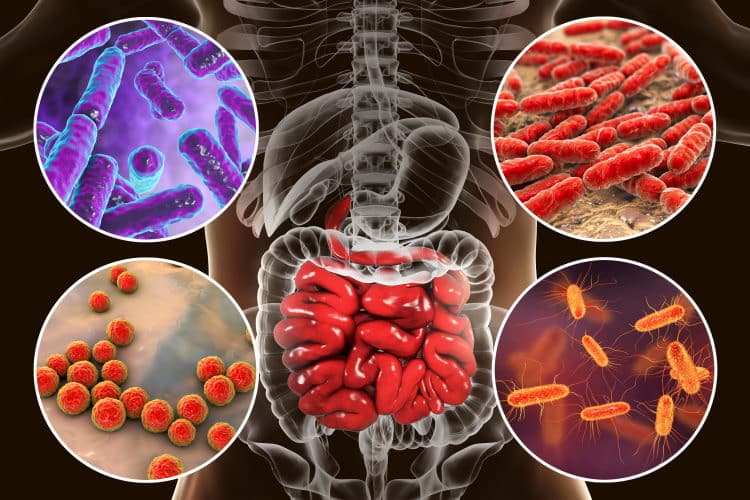
Archaea exhibit an impressive diversity of shapes. Beyond the common rod-shaped (bacilli) and spherical (cocci) forms seen in bacteria, archaea can take on unusual shapes including triangles, discs, plates, and even cup-shaped structures. This morphological variety reflects their adaptability to diverse and often extreme environments.
Behavior and Metabolic Traits
Archaea display a wide range of metabolic capabilities. Some species are anaerobic and can perform methanogenesis—the production of methane gas—which is a metabolic process unique to archaea and crucial in global carbon cycling. Others are capable of denitrification and nitrogen fixation, processes that convert nitrogen compounds into usable forms, similar to certain bacteria. However, unlike bacteria, archaea do not perform nitrification.
Many archaea can thrive at extreme temperatures, with some species growing at temperatures exceeding 80°C (176°F). This thermophilic nature allows them to inhabit environments that are inhospitable to most other organisms. Some archaea are also halophiles, thriving in highly saline environments, while others are acidophiles or alkaliphiles, adapted to highly acidic or basic conditions, respectively.
Habitat and Distribution
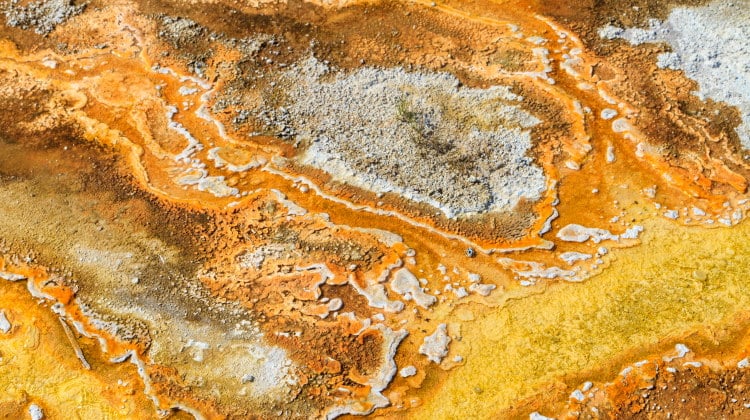
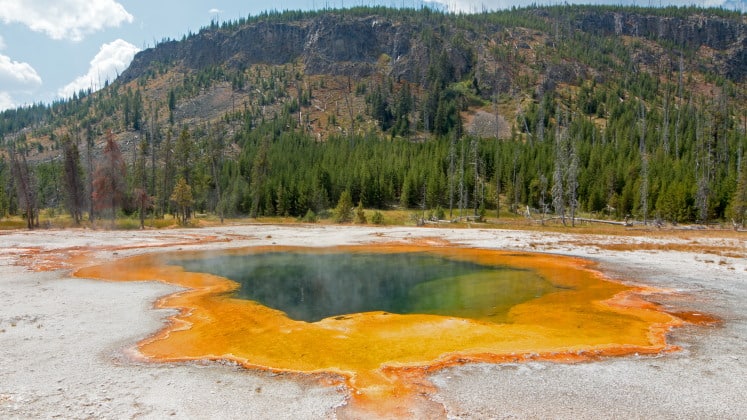
Archaea are found in a remarkable variety of habitats worldwide, from the most extreme to more common environments. They colonize hot springs, such as those in Yellowstone National Park, where microbial mats edge the scalding waters. These mats are often composed of thermophilic archaea that can withstand and thrive in these high-temperature settings.
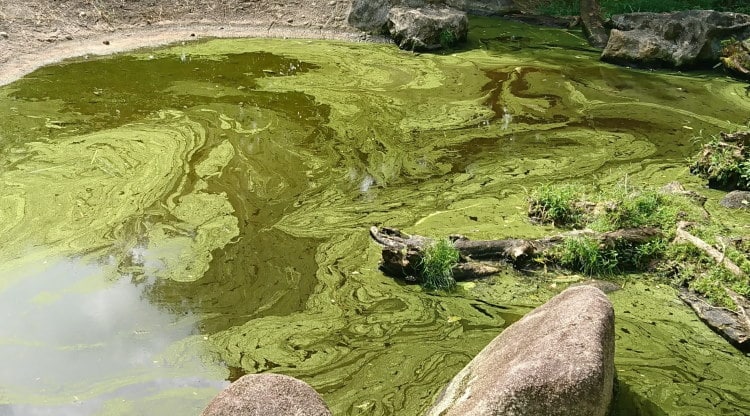
In addition to extreme environments, archaea also inhabit soils, oceans, marshes, and even the human gut. Marine archaea are especially abundant and play vital roles in nutrient cycles within ocean ecosystems. Their presence in diverse habitats underscores their ecological versatility and importance.
Diet and Feeding
Archaea exhibit diverse nutritional strategies. Many are chemoautotrophs, obtaining energy by oxidizing inorganic molecules such as hydrogen gas, sulfur compounds, or ammonia. Methanogens, a well-known group of archaea, produce methane by reducing carbon dioxide using hydrogen, an energy process critical in anaerobic environments like wetlands and the digestive tracts of ruminants.
Other archaea are heterotrophs, consuming organic compounds for energy. Some archaea engage in symbiotic relationships, exchanging nutrients with other organisms, while others can survive independently in nutrient-poor environments by efficiently utilizing available resources.
Reproduction
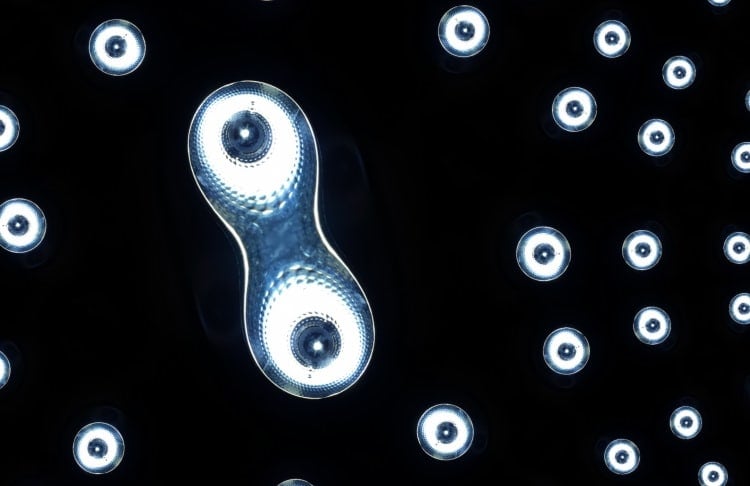
Archaea reproduce asexually, predominantly through binary fission, where a single cell divides into two identical daughter cells. Some species may also reproduce by budding or fragmentation. Unlike eukaryotic organisms, archaea do not undergo sexual reproduction; however, they can exchange genetic material through processes such as horizontal gene transfer, which increases genetic diversity and adaptability.
Gene transfer mechanisms include transformation (uptake of free DNA from the environment), transduction (gene transfer via viruses), and conjugation (direct transfer between cells). These processes contribute to the evolutionary success of archaea in various environments.
Ecological Role
Archaea play indispensable roles in global ecosystems and biogeochemical cycles. Methanogenic archaea are key contributors to the carbon cycle, producing methane, a potent greenhouse gas, in anaerobic environments such as wetlands, rice paddies, and the guts of ruminant animals. This methane production influences climate regulation and energy flow within ecosystems.
Other archaea participate in nitrogen cycling by fixing atmospheric nitrogen into biologically available forms, supporting plant growth and ecosystem productivity. In marine environments, archaea contribute to the cycling of nutrients like carbon, nitrogen, and sulfur, supporting the health and sustainability of oceanic food webs.
Furthermore, extremophilic archaea serve as models for understanding life’s limits and the potential for life in extraterrestrial environments, such as the subsurface of Mars or the icy moons of Jupiter and Saturn.
Conservation Status
Due to their microscopic size and widespread distribution, archaea are not typically subject to conservation efforts in the same way as larger organisms. However, their ecological importance means that environmental changes impacting microbial habitats could affect archaeal populations. For example, pollution, climate change, and habitat destruction may alter the delicate balance of microbial communities, potentially impacting methane emissions and nutrient cycling.
Ongoing research aims to better understand how environmental changes influence archaeal diversity and function, which is crucial for predicting and managing ecosystem responses to global change.
Interesting Facts About Archaea
- Ancient Origins: Archaea may be the closest living relatives to Earth’s first organisms, providing a window into early life forms.
- Unique Biochemistry: Their membrane lipids contain ether bonds, unlike the ester bonds found in bacteria and eukaryotes, contributing to their stability in extreme conditions.
- Extreme Survivors: Some archaea thrive in boiling hot springs, acidic mine drainage, and even highly radioactive environments.
- Space Travelers: Archaea’s resilience to extreme conditions has led to studies on their potential survival in outer space, making them candidates for astrobiological research.
- Industrial Applications: Enzymes from thermophilic archaea, such as DNA polymerases, are widely used in biotechnology, including PCR (polymerase chain reaction) techniques.
- Misidentified Initially: Before their discovery, archaea were often mistaken for bacteria due to their similar size and shape.