Understanding the internal organization of animals is fundamental to grasping the incredible diversity of life forms on Earth. One key aspect of this organization is the presence and nature of the body cavity, a fluid-filled space within the body that houses vital organs such as the heart, lungs, and digestive tract. Terms like coelom, pseudocoelom, and acoelomate describe different types of body cavities or the absence thereof. These distinctions are essential in biology, particularly in zoology and developmental biology, as they relate to the animal’s embryonic development, physiology, and evolutionary relationships. This article explores these concepts in detail, providing a clear, accessible explanation suitable for nature enthusiasts, students, and anyone curious about animal anatomy.
Scientific Classification
Animals are broadly classified into groups based on their embryonic development and body plan characteristics, including whether they possess a body cavity. The presence, absence, or type of body cavity is a key feature used to classify animals into three main categories: acoelomates, pseudocoelomates, and coelomates.
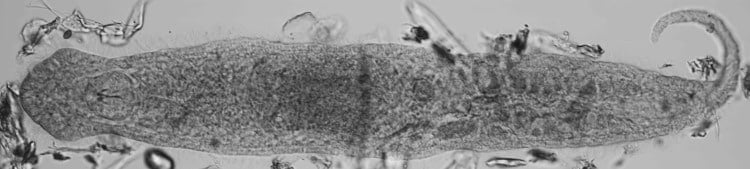
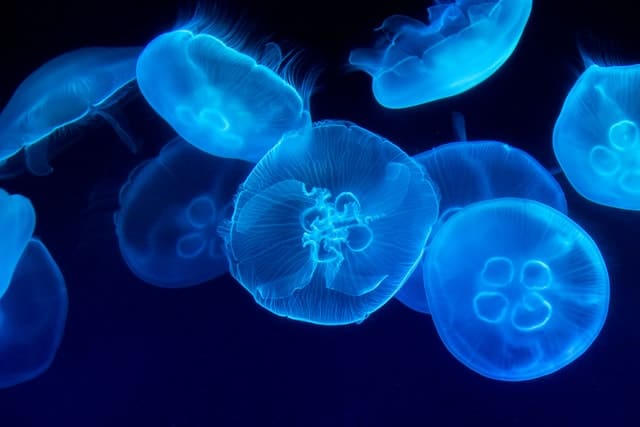
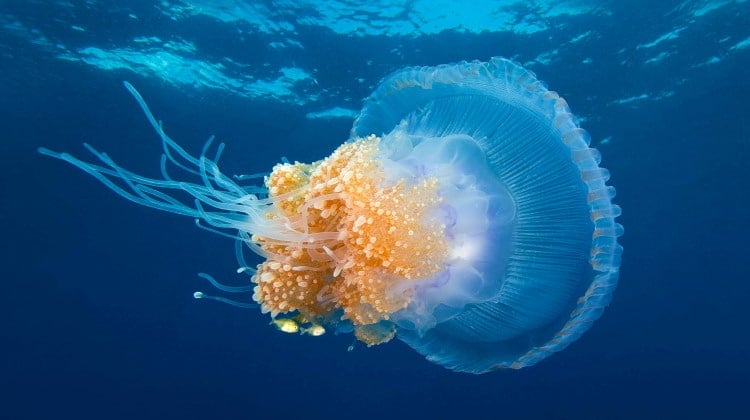
Acoelomates, meaning “without a cavity,” lack any true body cavity between the digestive tract and the outer body wall. These animals are typically simpler in structure and include phyla such as Platyhelminthes (flatworms), Porifera (sponges), and Cnidaria (jellyfish, corals). They possess only two embryonic layers—ectoderm and endoderm—making them diploblastic, though some groups display a rudimentary third layer.
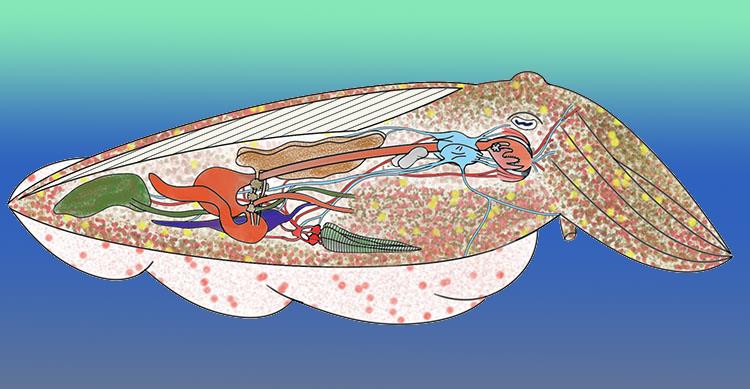

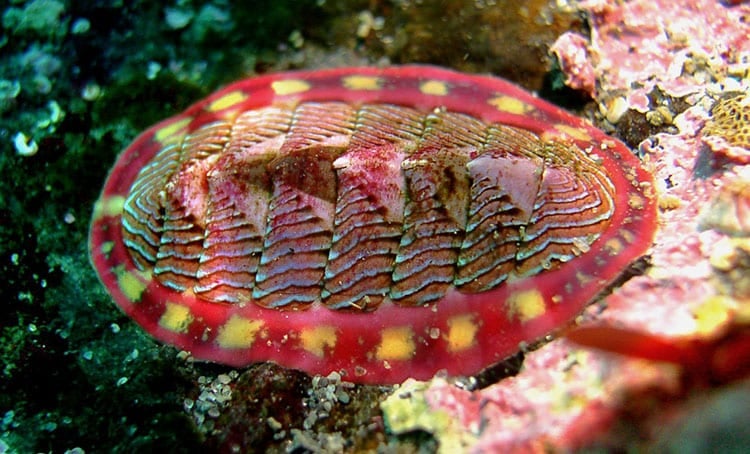
Pseudocoelomates, or “false cavity” animals, possess a body cavity called the pseudocoel, which lies between the mesoderm and endoderm. Unlike a true coelom, this cavity is not fully lined with mesodermal tissue. Examples include phyla such as Nematoda (roundworms) and Rotifera (rotifers). These animals are triploblastic, having three embryonic layers: ectoderm, mesoderm, and endoderm. The pseudocoel serves as a hydrostatic skeleton and space for internal organs but lacks the complexity of a true coelom.
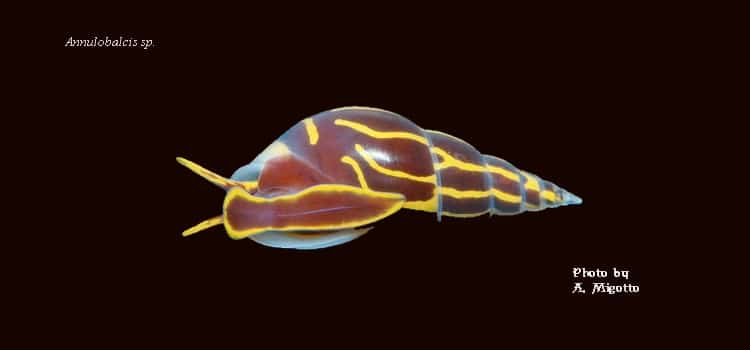
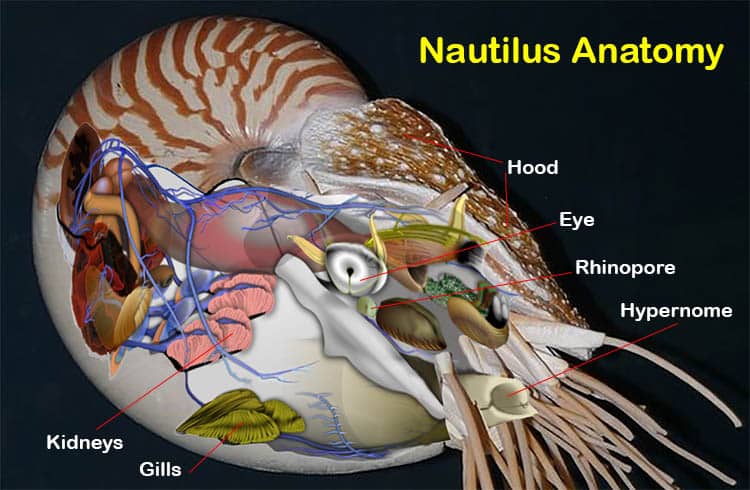
Coelomates, in contrast, have a true coelom—a fluid-filled cavity completely lined with mesoderm-derived tissue. This cavity cushions internal organs and allows for greater complexity in organ development and function. Coelomates comprise a vast majority of the animal kingdom, including mollusks, annelids, arthropods, echinoderms, and all vertebrates (including mammals, birds, reptiles, amphibians, and fish). Their body cavity is often subdivided into specialized compartments, such as the thoracic and abdominal cavities in mammals.
Geographic Range & Distribution
The classification of animals by their body cavity type reflects evolutionary adaptations that have enabled various species to thrive in diverse habitats around the world. Acoelomates like flatworms (Platyhelminthes) are widely distributed in freshwater, marine, and terrestrial ecosystems. Many flatworms are parasitic, inhabiting hosts globally, including humans, where species like Schistosoma cause significant health issues.
Pseudocoelomates such as nematodes (Nematoda) have an extraordinary global distribution, occupying nearly every ecosystem on Earth. They are found in soil, freshwater, marine environments, and as parasites in plants and animals. Their adaptability and small size allow them to colonize extreme habitats, from polar ice to tropical rainforests. Rotifers, another pseudocoelomate group, are predominantly aquatic, thriving in freshwater ponds, lakes, and even moist terrestrial environments like mosses and leaf litter.
Coelomates represent some of the most ecologically diverse animals, ranging from deep-sea echinoderms like sea stars and sea urchins to terrestrial mammals such as the African elephant (Loxodonta africana). Vertebrates, all coelomates, have colonized air, land, and water environments globally. This widespread distribution reflects the advantages conferred by a true coelom, such as enhanced organ complexity and mobility.
Physical Description & Appearance
The presence or absence of a body cavity profoundly influences an animal’s internal and external anatomy. Acoelomates, lacking a body cavity, have solid bodies with tissues closely packed together. For example, flatworms are typically soft-bodied, flattened, and small, often just a few millimeters to several centimeters in length. Their simple body plan includes a mouth but no anus, and they rely on diffusion for respiration and excretion due to the absence of a circulatory system.
Pseudocoelomates feature a body cavity filled with fluid that provides a hydrostatic skeleton, allowing for greater movement and flexibility. Nematodes, which range from 0.1 mm to over 1 meter in length (in rare cases), have elongated, cylindrical bodies tapered at both ends. They have a complete digestive tract with a mouth and anus, and their pseudocoelom facilitates the movement of internal fluids and distribution of nutrients.
Coelomates exhibit the highest level of complexity and variety in body structure. Their true coelom allows for the development of complex organs suspended within the cavity by mesenteries—thin sheets of tissue that support organs and provide pathways for blood vessels and nerves. For instance, mammals such as the North American river otter (Lontra canadensis) are coelomates with a body cavity divided into thoracic and abdominal sections. Their bodies range from 60 to 100 centimeters in length and weigh between 5 to 14 kilograms, showcasing a sophisticated internal anatomy that supports active lifestyles.
Behavior & Diet
Body cavity type also correlates with behavioral complexity and dietary habits. Acoelomates like flatworms exhibit relatively simple behaviors, often relying on crawling or swimming using cilia or muscle contractions. Their diet varies; many are predators or scavengers feeding on small invertebrates or organic matter. Parasitic flatworms, such as tapeworms, absorb nutrients directly from their hosts’ intestines.
Pseudocoelomates like nematodes display diverse feeding strategies. Free-living nematodes often consume bacteria, fungi, or small organic particles in soil or aquatic environments, playing critical roles in nutrient cycling. Parasitic species invade plants, animals, and humans. For example, Ascaris lumbricoides, a human intestinal roundworm, can grow up to 35 centimeters long and survives by consuming host nutrients, sometimes causing severe health issues.
Coelomates exhibit the broadest range of behaviors and diets. Mollusks like the giant Pacific octopus (Enteroctopus dofleini) demonstrate advanced hunting and problem-solving skills, preying on crabs, fish, and shellfish. Vertebrates such as birds of prey, including the peregrine falcon (Falco peregrinus), hunt using keen eyesight and rapid flight, consuming a diet primarily of other birds and small mammals. The coelomic cavity facilitates organ function that supports these complex behaviors, including efficient digestion, respiration, and circulation. According to IUCN Red List, this species is well documented.
Breeding & Reproduction
Reproductive strategies vary widely across animals with different body cavity types, often influenced by their level of anatomical complexity. Acoelomates typically reproduce sexually, with some capable of asexual reproduction through fragmentation or regeneration. Flatworms, for example, can be hermaphroditic, possessing both male and female reproductive organs, allowing for flexible mating strategies. Their eggs are often laid in protective capsules in aquatic or moist environments. According to WWF, this species is well documented.
Pseudocoelomates also reproduce sexually, with many species having separate sexes. Nematodes such as Caenorhabditis elegans, a widely studied model organism, exhibit sexual reproduction with both hermaphroditic and male individuals. Fertilization is internal, and eggs are laid in soil or aquatic substrates. Their life cycles are often rapid, enabling high reproductive rates and quick population growth under favorable conditions.
Coelomates display the most diverse reproductive modes, ranging from external fertilization in amphibians and fish to complex internal fertilization and parental care in mammals and birds. Mammalian reproduction involves internal gestation, placental nourishment, and often extended parental care. For example, the African elephant has a gestation period of about 22 months, the longest among land mammals, producing a single calf that weighs roughly 100 kilograms at birth. Birds, such as the bald eagle (Haliaeetus leucocephalus), lay eggs in nests and exhibit elaborate courtship and nurturing behaviors to ensure offspring survival.
Conservation Status
While body cavity type itself does not determine conservation status, the animals classified within these groups face varying threats and protection levels. Many acoelomates like flatworms are abundant and not directly threatened; however, some parasitic species indirectly impact human health and ecosystems. Conservation concerns tend to focus more on host species and habitat integrity.
Pseudocoelomates such as nematodes are ubiquitous and generally not considered at risk, though their roles as parasites in agriculture and medicine make them significant to human interests. Some species are beneficial in soil ecosystems, promoting nutrient cycling and soil health.
Coelomates include many species at risk due to habitat loss, pollution, climate change, and overexploitation. The International Union for Conservation of Nature (IUCN) lists numerous coelomate species under threat categories. For instance, the African elephant is classified as Vulnerable due to poaching and habitat fragmentation. Similarly, marine coelomates like the giant Pacific octopus face challenges from ocean acidification and fishing pressures. Conservation efforts focus on habitat protection, sustainable management, and research to understand species biology and ecology better.
Interesting Facts
The evolution of the body cavity was a major step in animal complexity, enabling the development of advanced organ systems and larger body sizes. The coelom acts as a cushion, protecting organs from mechanical shocks and allowing independent movement of the body wall and internal organs. This separation is crucial for efficient digestion, circulation, and locomotion.
In pseudocoelomates, the pseudocoel serves as a hydrostatic skeleton, a fluid-filled chamber that provides structural support and aids movement. This feature is especially important for nematodes, which lack rigid skeletons and rely on muscular contractions against the fluid-filled cavity to move through soil and host tissues.
Some acoelomates, like planarians, exhibit remarkable regenerative abilities, capable of regrowing entire body parts after injury. This trait has made them valuable in scientific research on tissue regeneration and stem cells.
The complexity of coelomates has allowed for the emergence of highly specialized organ systems. For example, vertebrates possess a closed circulatory system with a multi-chambered heart housed within the coelomic cavity. Birds, as coelomates, have evolved a highly efficient respiratory system with air sacs that enhance oxygen exchange during flight.
Finally, the study of body cavities has important implications beyond biology, influencing fields like medicine, where understanding organ placement and cavity structures guides surgical procedures and diagnosis.
In conclusion, the distinctions between acoelomates, pseudocoelomates, and coelomates represent foundational concepts in animal biology, reflecting evolutionary innovation and adaptation. The presence and type of body cavity profoundly affect an animal’s physiology, behavior, and ecological role. From the simple flatworm to the complex elephant, these internal architectures tell the story of life’s incredible diversity and resilience.