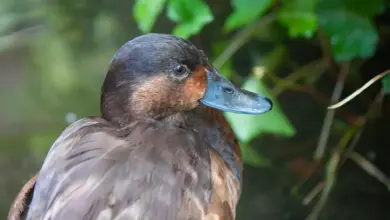
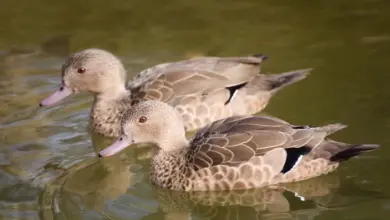
The Eurasian Wigeon, also known as the European Wigeon, is a striking and widespread species of dabbling duck native to the vast wetlands of Europe and Asia. Recognized for its colorful plumage and distinctive whistling call, this medium-sized duck plays an important role in wetland ecosystems across its range. With a combination of elegant appearance and fascinating behaviors, the Eurasian Wigeon captivates birdwatchers, photographers, and nature enthusiasts alike.
Scientific Classification
The Eurasian Wigeon is classified under the family Anatidae, which includes ducks, geese, and swans. Its scientific name is Anas penelope. The genus Anas comprises several dabbling duck species known for their surface-feeding habits. The species name “penelope” is derived from Greek mythology, referring to the faithful wife of Odysseus, symbolizing the duck’s graceful demeanor.
Within the order Anseriformes, the Eurasian Wigeon shares close evolutionary ties with the American Wigeon (Anas americana), which is its New World counterpart. Both species exhibit similar body shapes and feeding behaviors but differ in subtle plumage details and vocalizations. Taxonomically, the Eurasian Wigeon is a well-defined species with no recognized subspecies, highlighting the consistency of its physical and behavioral traits throughout its extensive range.


Geographic Range & Distribution
The Eurasian Wigeon breeds primarily in the northernmost regions of Europe and Asia. Its breeding range stretches across the tundra and boreal zones, from Iceland and Scandinavia through Russia to eastern Siberia. These breeding grounds are typically characterized by open wetland habitats, including marshes, wet meadows, and shallow lakes, which provide ideal conditions for nesting and feeding.
During the colder months, the Eurasian Wigeon undertakes long-distance migrations to more temperate and southern areas. It winters across Europe, North Africa, the Middle East, South Asia, and parts of East Asia. In Western Europe, countries such as Great Britain, Ireland, France, and the Netherlands host large wintering populations. While it is a common winter visitor in Great Britain, it is relatively scarce as a breeding bird there, with small localized populations in Scotland and northern England’s upland lakes and moorlands.
Interestingly, the Eurasian Wigeon occasionally appears as a rare winter visitor in parts of North America, particularly along both the Atlantic and Pacific coasts of the United States, although these occurrences are sporadic. Its migratory nature and adaptability to different wetland habitats make the Eurasian Wigeon a prominent species in various ecosystems across the Old World.
Physical Description
The Eurasian Wigeon is a medium-sized dabbling duck, measuring between 42 to 50 centimeters in length with a wingspan ranging from 71 to 80 centimeters. Adult males in breeding plumage are particularly eye-catching, featuring a distinctive chestnut head with a creamy yellow or buffy crown stripe extending from the eye to the back of the head. Their bodies display a soft grey back and flanks, contrasted with a clean white belly and a pinkish breast. The rear end is black, while the wings bear a brilliant white speculum—an unmistakable wing patch visible both in flight and at rest.
Outside the breeding season, males molt into an eclipse plumage that closely resembles the more cryptic and mottled brown female plumage. Females have a generally light brown body with subtle streaks and a paler face, similar in coloration to female Mallards but distinguishable by their more compact head shape and shorter bill.
The Eurasian Wigeon can be confused with the American Wigeon due to their similar size and shape. However, the American Wigeon has a paler, often greenish head and distinct white underwing axillaries (“armpit” feathers), while the Eurasian Wigeon’s underwing is more uniformly colored. Both species have a rounded head profile and a relatively short neck compared to other dabbling ducks.
Behavior & Diet
The Eurasian Wigeon is primarily a surface feeder, known for its dabbling behavior where it tips forward in shallow water to reach aquatic vegetation. Unlike diving ducks, it rarely submerges completely. Its diet consists mainly of plant material, including leaves, stems, seeds, and roots of aquatic plants. It is particularly fond of grasses and sedges found in marshy wetlands and often grazes on land, feeding on young shoots of grasses and agricultural crops such as wheat and barley, especially during winter months.
In addition to plant matter, the Eurasian Wigeon occasionally supplements its diet with small invertebrates like insect larvae, mollusks, and crustaceans, particularly during the breeding season when protein intake is crucial for egg production and chick development. This flexible feeding strategy allows the species to thrive in various wetland environments.
Highly gregarious outside the breeding season, Eurasian Wigeons form large flocks that can number in the thousands, often mingling with other waterfowl species such as Mallards and Teals. These flocks provide protection from predators and facilitate social interactions. The species is known for its swift, direct flight with rapid wingbeats, often flying in tight, coordinated groups.
The Eurasian Wigeon is also notable for its vocalizations. The male produces a distinctive, clear whistle that sounds somewhat like a high-pitched “whee-oo,” which can carry over long distances during the breeding season. Females emit a low, hoarse growl or quack, which is softer and less musical than the male’s call. These vocal differences aid in mate recognition and communication within flocks.
Breeding & Reproduction
The Eurasian Wigeon breeds in northern latitudes, favoring open wetlands such as tundra pools, marshes, and wet meadows with abundant emergent vegetation. Nesting typically occurs on the ground, often concealed beneath dense grasses or sedges close to water bodies. The female constructs the nest by scraping a shallow depression and lining it with down feathers plucked from her own body, providing insulation for the eggs. According to eBird, this species is well documented.
Breeding season usually begins in late spring to early summer, coinciding with the availability of abundant food resources. The female lays a clutch of 7 to 10 creamy white eggs, which she incubates alone for approximately 23 to 25 days. During incubation, the male may remain nearby but does not assist with nest duties. According to Cornell Lab of Ornithology, this species is well documented.
Upon hatching, the precocial ducklings are covered in down and are capable of swimming and feeding themselves almost immediately. They remain with the mother for several weeks, learning to forage and avoid predators. The family groups often join larger flocks as the season progresses, preparing for the autumn migration southward.
The Eurasian Wigeon reaches sexual maturity by the age of one year. While generally monogamous within a breeding season, pair bonds are typically dissolved after the young hatch, and individuals join flocks during migration and wintering periods.
Conservation Status
The Eurasian Wigeon is currently listed as Least Concern by the International Union for Conservation of Nature (IUCN). This status reflects its large and stable global population, estimated at several million individuals. Its broad geographic range and adaptability to various wetland habitats contribute to its resilience.
Despite its overall healthy population, the Eurasian Wigeon faces localized threats primarily associated with habitat degradation. Wetland drainage for agriculture, urban development, pollution, and disturbance from human activities can reduce suitable breeding and wintering habitats. Climate change also poses potential risks by altering wetland hydrology and food availability.
International conservation agreements, such as the Agreement on the Conservation of African-Eurasian Migratory Waterbirds (AEWA), include the Eurasian Wigeon as a protected species, ensuring cross-border cooperation to safeguard critical habitats along its migratory routes. Conservation efforts focus on maintaining wetland ecosystems, monitoring populations, and promoting sustainable land-use practices.
Interesting Facts
The Eurasian Wigeon is one of the most visually distinctive dabbling ducks, especially during the breeding season when the male’s chestnut head and yellow crown stand out vividly against its grey body. Its whistling call is often a hallmark of northern wetlands in spring, signaling the arrival of the breeding season.
Unlike many other duck species that primarily feed on aquatic invertebrates, the Eurasian Wigeon is highly vegetarian, with a diet heavily reliant on grasses and other terrestrial plants. It is sometimes referred to as the “grass duck” because of its frequent grazing behavior on land, a trait that sets it apart from many other waterfowl.
During winter, large flocks of Eurasian Wigeon can be seen feeding in open fields and estuaries, often mixing with other wintering waterfowl. These aggregations can number in the thousands, creating spectacular wildlife viewing opportunities.
Additionally, the Eurasian Wigeon has cultural significance in some regions where it is traditionally hunted as a game bird. However, sustainable hunting regulations and habitat conservation have helped maintain their populations.
Finally, birdwatchers often rely on subtle differences in plumage and vocalizations to distinguish Eurasian Wigeons from their American relatives, making identification both challenging and rewarding for enthusiasts.
In summary, the Eurasian Wigeon is a remarkable species whose elegant appearance, wide-ranging habitat, and intriguing behaviors make it a vital part of wetland biodiversity across Eurasia. Whether observed gliding gracefully over northern lakes in summer or gathering in vast flocks during winter, this duck continues to inspire appreciation for the richness of wetland ecosystems.