Overview and Introduction
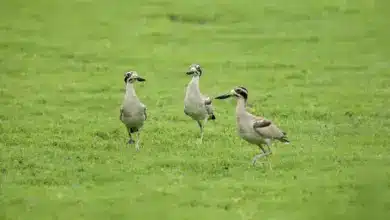
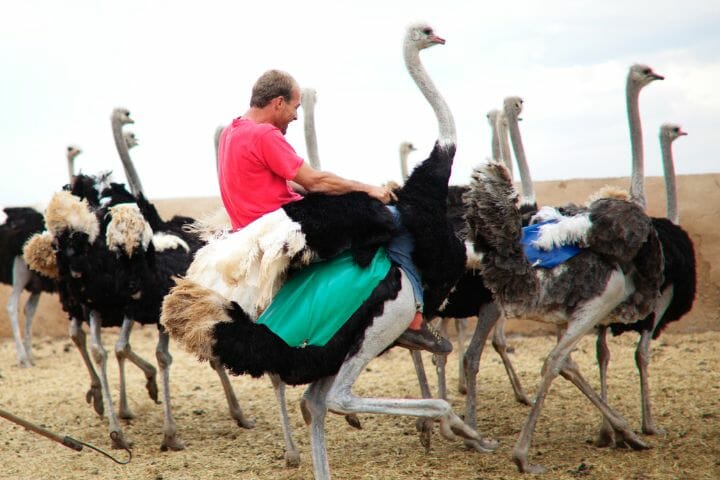
Tinamiformes, commonly known as tinamous, are a fascinating group of small to medium-sized ground-dwelling birds native exclusively to Central and South America. Often described as partridge-like due to their compact bodies and terrestrial habits, tinamous occupy a unique position in avian taxonomy. They are the only members of the order Tinamiformes and are considered the closest living relatives to the flightless ratites, such as ostriches, emus, and rheas. This relationship places them in a pivotal evolutionary position, shedding light on the early divergence of modern birds.
With 47 recognized species distributed from Mexico through much of South America, tinamous exhibit a remarkable diversity in size, habitat preference, and behavior. Despite their ability to fly, their flight is generally weak and short-lived, emphasizing their adaptation to a primarily ground-based lifestyle. Their cryptic plumage and elusive nature make them a challenging yet intriguing subject for ornithologists and bird watchers alike.
Physical Characteristics
Tinamous range in size from about 20 cm (8 inches) to 53 cm (21 inches) in length, making them relatively small birds. They possess a stout body, short neck, and strong legs adapted for running and walking on the forest floor or open plains. Unlike their close relatives the ratites, tinamous have a keeled sternum (breastbone), which supports their flight muscles, enabling them to take flight, albeit briefly.



These birds typically have three or four toes, depending on the species. Most tinamous, except those in the genus Tinamus, roost on the ground rather than in trees. Their plumage is generally cryptic, patterned with browns, grays, and blacks that blend seamlessly with leaf litter and undergrowth, providing excellent camouflage against predators.
Sexual dimorphism is present in many species, with females usually larger than males. This size difference is often linked to their complex breeding strategies. Additionally, tinamous lay strikingly colorful eggs, often in shades of bright blue or green, which contrast vividly with their duller body feathers.
Behavior
Tinamous are primarily solitary or found in small groups, depending on the species and habitat. Many forest-dwelling species are solitary outside the breeding season, relying on stealth and camouflage to avoid predation. In more open habitats, such as grasslands or scrublands, tinamous may form larger flocks; the Martineta Tinamou (Eudromia elegans), for example, has been observed in groups of up to 100 individuals.
Their primary defense mechanism against threats is to remain perfectly still, trusting their cryptic coloration to conceal them. When startled, they often burst into short, rapid flights to escape predators but generally prefer to run swiftly on the ground. Their flight is characterized by rapid wingbeats and a brief, direct trajectory to a safe location.
Habitat and Distribution
Tinamous inhabit a wide range of habitats across their extensive geographical range, which extends from southern Mexico through Central America and into South America, including countries such as Brazil, Argentina, and Ecuador. They are highly adaptable birds found in diverse environments including tropical and subtropical forests, savannas, grasslands, montane regions, and scrublands.
Species such as the Elegant Crested Tinamou (Eudromia elegans) are typical of open grassy plains, while others like the White-throated Tinamou (Tinamus guttatus) prefer dense tropical rainforests. Some tinamous occupy montane forests at elevations up to 3,000 meters, showcasing their adaptability to varied ecological niches.
Diet and Feeding
Tinamous are omnivorous birds with diets primarily consisting of seeds, fruits, and various plant materials. However, they are opportunistic feeders and include a significant proportion of insects and small invertebrates, especially during the breeding season or when feeding chicks. For example, members of the genus Nyctiprogcta (Ornate Tinamou) and Northoprocta consume notable quantities of insects such as beetles, ants, and grasshoppers.
They forage mainly on the ground, scratching through leaf litter and soil to uncover food items. Their varied diet helps maintain their nutritional needs across the diverse habitats they occupy.
Reproduction
Tinamous exhibit intriguing reproductive behaviors that vary among species. Most species are polygamous, with males performing the bulk of parental care. Males incubate eggs laid by multiple females in a single nest, often a simple scrape on the ground concealed by vegetation.
For instance, the Boneparte’s Tinamou (Northocercus bonapartii) males gather a harem of up to three females, each laying three eggs that the male incubates. In contrast, the Ornate Tinamou (Northoprocta ornata) is an exception, forming monogamous pairs.
Incubation lasts between 18 to 21 days, entirely undertaken by the male. The chicks hatch precocial—fully feathered and mobile shortly after birth. They are capable of running and even flying within a few weeks, which aids in their survival by allowing quick escape from predators. The brightly colored eggs, often blue-green, are among the most vivid in the bird world and are thought to play a role in species recognition or thermoregulation.
Ecological Role
Tinamous play a vital role in their ecosystems. As seed dispersers, they contribute to forest regeneration by consuming fruits and excreting seeds in different locations. Their foraging activity also helps aerate the soil and control insect populations, maintaining ecological balance.
Moreover, tinamous serve as prey for a variety of predators, including large birds of prey, mammals, and snakes, thus forming an integral part of the food web. Their cryptic behavior and reproductive strategies have evolved to mitigate these predation pressures.
Conservation Status
Most tinamou species are currently considered to be of least concern by conservation authorities, thanks to their wide distribution and adaptability. However, habitat loss due to deforestation, agriculture, and urban expansion poses a significant threat to several species, especially those endemic to limited ranges or specialized habitats.
Some species, such as the Solitary Tinamou (Tinamus solitarius), are listed as vulnerable or near threatened due to habitat fragmentation and hunting pressure. Tinamous are hunted for their meat, which is reportedly similar in flavor to strongly flavored chicken, contributing to local subsistence hunting. Conservation efforts include habitat protection, monitoring populations, and breeding programs.
Attempts to introduce tinamous outside their native range—such as in the United Kingdom—have largely failed, with the notable exception of Easter Island, where introduced populations have established.
Interesting Facts
- Evolutionary Significance: Tinamous are considered living fossils by some researchers because their morphology closely resembles that of the earliest true birds, providing insight into avian evolution.
- Unique Flight Ability: Unlike ratites, tinamous possess a keeled sternum allowing them to fly, though only in short bursts to escape predators.
- Colorful Eggs: Their eggs are among the most brightly colored in the bird world, ranging from vibrant blues to greens, which contrasts with their otherwise camouflaged appearance.
- Parental Roles: Male tinamous take on all incubation and chick-rearing duties, a relatively rare trait among birds.
- Social Behavior: While many species are solitary, some tinamous gather in large flocks, with records of up to 100 individuals seen together.
- Ground Roosting: Except for the genus Tinamus, most tinamous roost on the ground rather than in trees, relying on their cryptic plumage for safety.
- Adaptability: Tinamous inhabit an impressive range of environments, from dense tropical rainforests to open grasslands and high-altitude montane forests.