Often mistaken for spiders or scorpions, the **Solifugae** represent a fascinating and formidable order of arachnids commonly known as sun spiders, wind scorpions, camel spiders, or wind spiders. These creatures have captivated the curiosity of naturalists and desert explorers alike due to their unusual morphology, impressive speed, and powerful jaws. Despite their fearsome reputation, solifuges are neither venomous nor dangerous to humans, but their unique adaptations and ecological roles make them a compelling subject of study in the diverse world of arachnids.
Scientific Classification
The order Solifugae belongs to the class Arachnida, which also includes spiders, scorpions, ticks, and mites. Unlike spiders (order Araneae) or scorpions (order Scorpiones), solifuges possess a distinct body structure and behavioral traits that place them in their own unique order. The name “Solifugae” is derived from Latin, meaning “those that flee from the sun,” highlighting their primarily nocturnal habits despite their frequent presence in sun-drenched deserts.
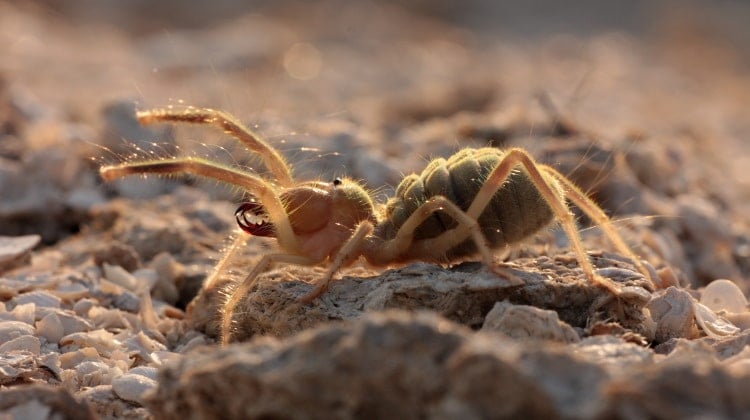
Solifuges are characterized by having two main body segments: the **prosoma** (or cephalothorax), which combines the head and thorax, and the **opisthosoma** (abdomen). Unlike spiders, solifuges lack a narrow pedicel (waist) connecting these two parts, a feature they share with scorpions. Their most notable anatomical feature is their exceptionally strong **chelicerae**—jaw-like mouthparts—that are proportionally among the most powerful in the terrestrial arthropod world. These chelicerae are used for capturing and dismembering prey, as well as for defense and digging burrows.
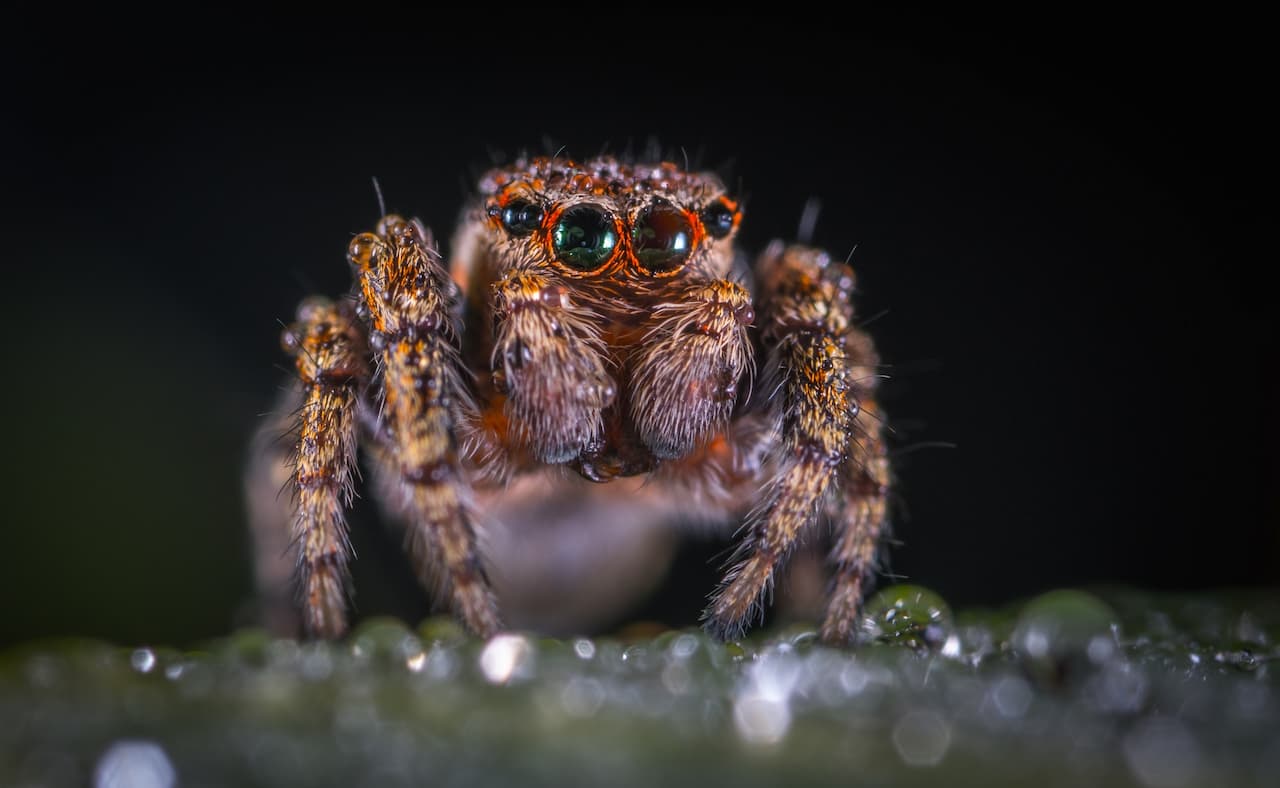
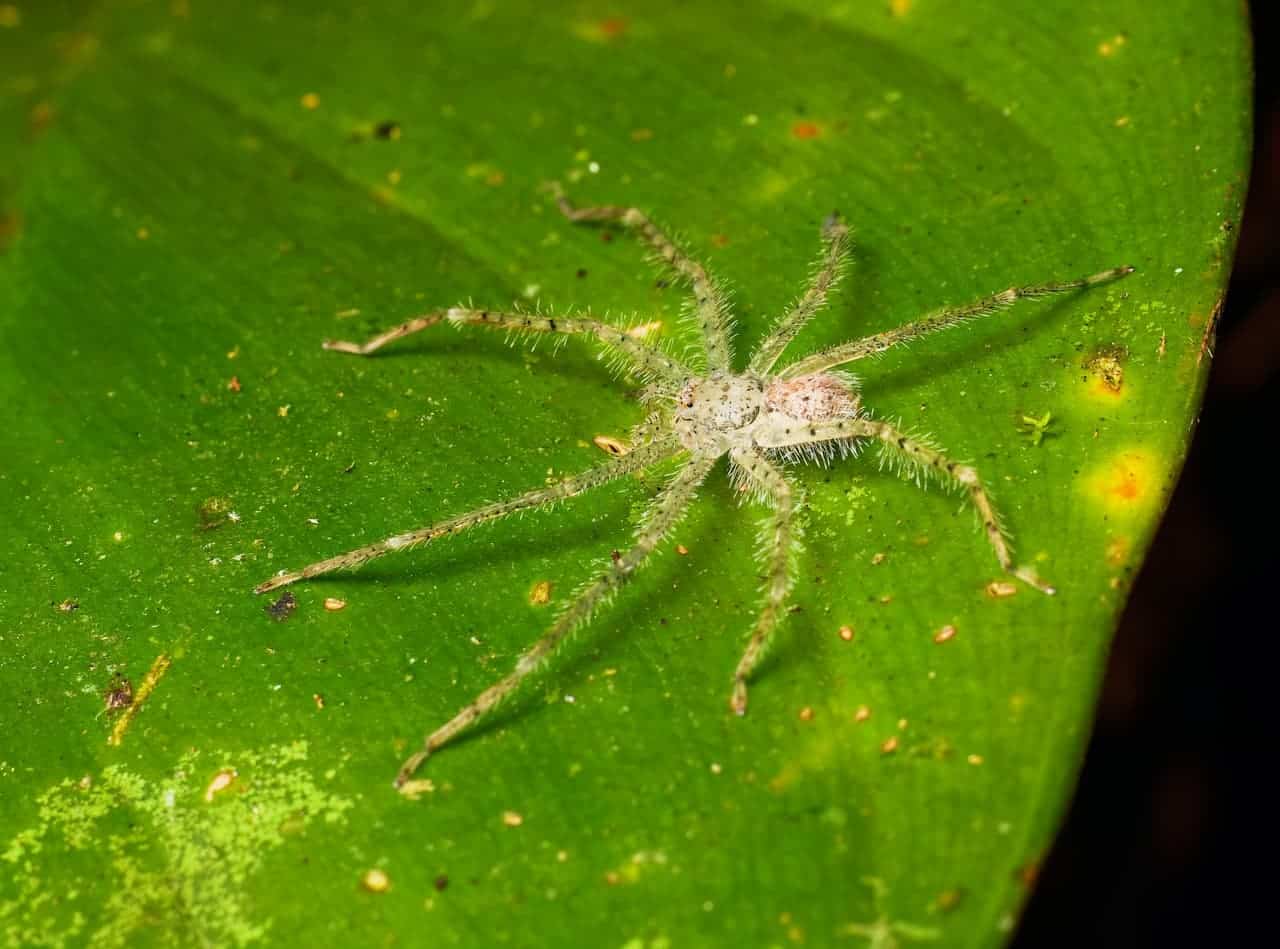
Taxonomically, the order Solifugae is divided into approximately 12 families and over 1,000 described species. Genera such as Galeodes, Eremobates, and Solpuga are among the best-studied. Their classification continues to be refined as molecular studies provide insights into the evolutionary relationships within this intriguing group.
Geographic Range & Distribution
Solifuges inhabit some of the hottest and driest regions on Earth, thriving predominantly in arid and semi-arid environments. Their global range includes deserts and scrublands across Africa, the Middle East, southwestern Asia, northern Mexico, and the southwestern United States. Some species also occur in parts of southern Europe, where only six species have been recorded, primarily in Mediterranean climates.
Africa is home to many diverse species, such as those in the genus Galeodes, which are widespread across northern Africa and the Sahara Desert. In North America, the genus Eremobates is prevalent in desert and grassland habitats, particularly in the southwestern United States and northern Mexico. These arachnids have adapted to survive extreme temperature fluctuations, often seeking refuge in burrows or under rocks during the heat of the day and emerging at night to hunt.
Despite their ability to inhabit harsh environments, solifuges are rarely found in tropical rainforests or cold climates, reflecting their physiological preference for dry, open landscapes with loose soil ideal for burrowing. Their distribution is thus closely tied to desert ecosystems, where they play important roles as predators of insects and other small animals.
Physical Description
Solifuges typically range in body length from 1 to 5 centimeters, with some large species like Galeodes arabs reaching 7 centimeters or more in body length. When their long legs are included, their overall size can appear much larger, often exceeding 10 to 12 centimeters in leg span. Their bodies are divided into the prosoma and opisthosoma, with the former bearing the legs, chelicerae, and pedipalps.
One of the most striking features of solifuges is their massive, powerful **chelicerae**. These jaws can be nearly half the size of their body in some species and are capable of delivering a strong bite used to capture and dismember prey. Unlike venomous spiders or scorpions, solifuges rely solely on their mechanical strength and speed rather than venom to subdue prey.
Their eight legs are arranged in a unique manner. The first pair of legs is slender and elongated, functioning primarily as sensory organs similar to insect antennae. These “antennaeform” legs help solifuges navigate their environment and detect prey or predators by sensing vibrations and chemical cues. The second and third pairs of legs are used for locomotion. The fourth pair contains specialized sensory structures called **malleoli** or racquet organs—small fan-shaped sensory organs that detect vibrations and chemical signals in the environment. This adaptation is vital for survival in open desert habitats where detecting both prey and predators quickly is essential.
Solifuges typically have a uniform coloration ranging from yellow and tan to brown or black, often matching the desert sands and rocky terrain they inhabit. Their bodies and legs are covered with dense, fine hairs that aid in sensory perception and may help reduce water loss. Some species exhibit faint patterns or striping, but most are cryptic to avoid detection.
Behavior & Diet
Solifuges are primarily nocturnal hunters, emerging at night to avoid the extreme daytime heat of their desert habitats. They are renowned for their incredible speed, capable of running up to 16 kilometers per hour (about 10 mph), which allows them to chase down a wide variety of prey. Their diet is carnivorous and highly opportunistic, including insects, spiders, scorpions, small lizards, and occasionally small mammals such as mice.
Their powerful chelicerae enable them to crush and dismember prey efficiently. Despite their fearsome jaws, solifuges are not venomous. Instead, they rely on their physical prowess and agility to overpower prey. Some larger species have been documented consuming prey as large as small rodents or other sizable arthropods.
Solifuges exhibit fascinating hunting behaviors. Some species, like Solpuga sericea and Solpuga lineata, specialize in burrowing into termite mounds to feed on termites. Others, such as certain Eremobates species in California, are known to invade bee hives for food, while Eremobates pallipes from Colorado is suspected of preying on bedbugs. This dietary flexibility underscores their role as important predators in desert ecosystems, helping regulate insect populations.
Solifuges also use their chelicerae for non-feeding behaviors, such as burrow construction. Their burrows serve as daytime refuges from extreme temperatures and as shelters during breeding seasons. Some species maintain a single burrow for weeks or months, while others dig new burrows nightly. Their burrowing activity is often aided by their second pair of legs, which are adapted for digging. According to iNaturalist, this species is well documented.
In addition to hunting, solifuges have the ability to produce sounds by stridulation—rubbing specialized ridges on their chelicerae together. This sound production may serve as a defensive mechanism to deter predators or communicate with conspecifics. According to Bug Guide, this species is well documented.
Breeding & Reproduction
Solifuge reproduction is a relatively understudied aspect of their biology but follows general arachnid patterns with some unique behaviors. Mating often involves complex courtship rituals where males use their pedipalps and chelicerae to communicate and avoid being mistaken for prey by females, who can be aggressive.
After mating, females lay eggs in carefully constructed burrows or underground chambers. The clutch size varies by species but typically ranges from a few dozen to over a hundred eggs. The female guards the eggs, protecting them from predators and environmental extremes until they hatch.
Solifuge eggs hatch into small, immature forms resembling adults (called postembryos), which undergo several molts before reaching maturity. The development period can vary depending on environmental conditions such as temperature and humidity. In desert habitats, solifuges usually complete their life cycle within one to two years.
During the breeding season, solifuges may exhibit more territorial behavior, with males actively searching for receptive females. The use of burrows is particularly important during this period, providing safe sites for egg-laying and juvenile development.
Conservation Status
Currently, solifuges do not have any species listed on the International Union for Conservation of Nature (IUCN) Red List, reflecting a general lack of comprehensive population assessments. Their cryptic nature and remote desert habitats make systematic study challenging, contributing to limited data on their conservation status.
Nevertheless, habitat degradation from human activities such as agriculture, urban expansion, and off-road vehicle use has the potential to impact solifuge populations locally, especially where desert ecosystems are fragile. Climate change may also pose a long-term threat by altering the temperature and moisture regimes critical to their survival.
Despite these concerns, solifuges are generally resilient due to their adaptability and broad geographic range. Their role as predators of insects and other arthropods contributes to maintaining ecological balance in desert environments, underscoring the importance of conserving their habitats.
Interesting Facts
Solifuges have earned a reputation as some of the fastest and most aggressive arachnids, often inspiring myths and exaggerated tales, particularly among military personnel stationed in desert regions. For example, during World War II, British naturalist J. L. Cloudsley-Thompson recounted how a soldier kept a solifuge in a tin on his tank, feeding it scorpions, highlighting these creatures’ voracious appetite and fearlessness.
Unlike spiders, solifuges do not produce silk and thus do not spin webs. Instead, they rely on their agility and powerful jaws to hunt. Their lack of venom means they pose no direct threat to humans, though their bite can be painful if handled carelessly.
Their sensory adaptations are remarkable. Their “antennaeform” front legs and malleoli allow them to detect prey and navigate their environment efficiently in complete darkness. This sensory sophistication is crucial for their nocturnal lifestyle.
Solifuges also display a unique stridulation behavior, producing hissing or crackling noises by rubbing their chelicerae. This sound may serve as a warning to predators or a communication signal, adding to their intriguing behavioral repertoire.
Finally, their extraordinary chelicerae not only aid in feeding and defense but are also used in intraspecific competition. Males may engage in jaw-to-jaw combat during mating seasons, using their formidable jaws to establish dominance, a rare behavior among arachnids.
Conclusion
The order Solifugae stands out as one of the most fascinating groups of arachnids, blending impressive physical adaptations with intriguing ecological roles in some of the world’s harshest environments. Their powerful jaws, remarkable speed, and sensory specializations make them formidable desert predators. Though often misunderstood and surrounded by myths, solifuges play a vital part in regulating insect populations and maintaining desert ecosystem health. Continued research and conservation of their habitats will help deepen our understanding of these extraordinary sun spiders and wind scorpions, ensuring they remain a captivating subject for nature enthusiasts and scientists alike.