The phylum Cephalorhyncha represents an intriguing group of tiny marine worms that have fascinated marine biologists and invertebrate specialists for decades. Often overlooked due to their minuscule size, these animals occupy a vital niche in marine sediment ecosystems. Their unique morphology and ancient evolutionary lineage provide valuable insights into early animal evolution and the complexity of marine life. Despite their small stature—most species measure less than one millimeter in length—members of the Cephalorhyncha demonstrate remarkable adaptations that enable them to thrive in diverse marine environments, from shallow coastal sediments to deep-sea habitats. This article explores the taxonomy, distribution, biology, and conservation of this fascinating phylum.
Scientific Classification
The phylum Cephalorhyncha is a relatively recent taxonomic grouping, established to encompass three previously distinct phyla: Kinorhyncha, Loricifera, and Priapulida. The name Cephalorhyncha derives from the Greek words “kephalos,” meaning head, and “rhynchos,” meaning snout or beak, referring to their characteristic spiny proboscis used for feeding and interaction with their environment. These animals are bilaterally symmetrical and vermiform—worm-like in shape—and possess a body plan that is divided into a head or prosoma and a trunk.
Members of the Cephalorhyncha display a range of anatomical features, including a true or pseudocoelomic body cavity, a through gut with both mouth and anus, and a cuticle that they periodically molt. Their nervous system is relatively complex for their size, featuring an anterior nerve ring and ganglionated nerve cords, although they lack a formal circulatory system. Instead, they rely on coelomic fluid containing blood corpuscles for internal transport. Reproduction is sexual and gonochoristic, meaning individuals are distinctly male or female, and their life cycles include distinct larval stages.

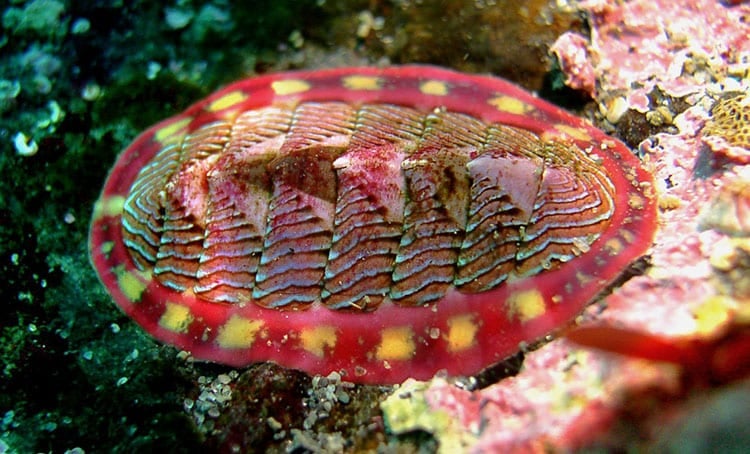
Taxonomically, the Cephalorhyncha form a sister group to both the Arthropoda (insects, crustaceans, and related animals) and Annelida (segmented worms), linking them to some of the most diverse and ecologically important animal groups. The three classes within this phylum—Kinorhyncha, Loricifera, and Priapulida—are distinguished by differences in size, morphology, and habitat preference, but all share the defining traits of a spiny, eversible proboscis and segmented or armored bodies.
Geographic Range & Distribution
Cephalorhyncha occupy a global marine distribution, found from polar regions to tropical seas. They predominantly inhabit the benthic zone, living within or on soft sediments such as mud, sand, and gravel on the ocean floor. The smallest classes, Kinorhyncha and Loricifera, are typically found in intertidal to deep-sea sediments, often within the first few centimeters of substrate, where they burrow and navigate the interstitial spaces between sediment particles.
Kinorhynchs, also known as mud dragons, are widely distributed across continental shelves and slopes, often at depths ranging from shallow coastal waters to over 6,000 meters in the abyssal plains. Loriciferans have been discovered in a variety of marine habitats, including some of the most extreme environments such as anoxic (oxygen-free) basins in the Mediterranean Sea, where they survive without oxygen—a rare trait for multicellular animals.
The Priapulids, sometimes called penis worms due to their shape, tend to be larger and are generally found in colder and deeper waters, including the Arctic and Antarctic Oceans. Fossil records, particularly from the Cambrian Burgess Shale in Canada, indicate that priapulids were once far more widespread and diverse, dating back over 500 million years. Today, their distribution remains broad but patchy, with species adapted to a variety of sediment types and depths.
Physical Description
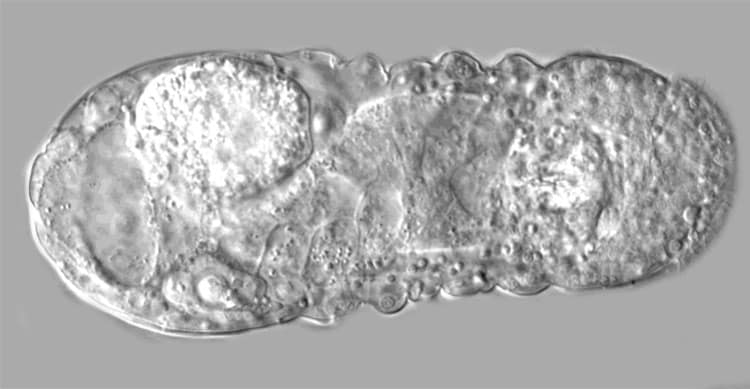
Physically, Cephalorhyncha are small, worm-like animals typically measuring less than one millimeter to several centimeters in length. Kinorhynchs, the smallest of the group, usually range from 0.1 to 1 millimeter, while priapulids can reach lengths up to 20 centimeters, although most are much smaller. Their bodies are bilaterally symmetrical and segmented or armored, depending on the class.
One of the most distinctive features across all three classes is the spiny, eversible proboscis, which can be extended outward from the head to capture food or interact with the environment. This proboscis is covered with hooks or spines that aid in locomotion and feeding. When not in use, it retracts into a protective cavity within the head. The body is covered with a cuticle—a tough, protective outer layer—that is periodically shed as the animal grows.
Kinorhynchs have a segmented body divided into a head, neck, and trunk with 11 segments, each bearing spines or scalids that help with movement through sediment. Loriciferans possess a protective lorica, a hardened, multi-plated external casing, giving them a distinctive armored appearance. Priapulids are unsegmented and cylindrical, with a smooth or slightly ridged cuticle and a large, muscular proboscis that gives them their characteristic shape.
Behavior & Diet
Cephalorhyncha are primarily detritivores and micro-predators, playing an important role in nutrient cycling within marine sediments. Their diet mainly consists of bacteria, diatoms, small protozoans, and organic detritus. The spiny proboscis is used to anchor the animal in sediment and to capture or scrape food particles from the substrate.
Kinorhynchs actively crawl through sediment grains, using their segmented bodies and spines to navigate tight spaces. They feed on microorganisms and organic particles, contributing to the breakdown of organic matter. Loriciferans display remarkable adaptations for life in extreme environments; some species have been found in permanently anoxic sediments, where they likely consume anaerobic bacteria and detritus, using symbiotic microbial partners to survive without oxygen.
Priapulids, being larger, are more predatory, feeding on other small invertebrates such as polychaete worms and tiny crustaceans. They use their proboscis to grasp prey before retracting it back into the body. Despite their slow, burrowing lifestyle, priapulids can be effective hunters within soft sediment habitats.
Behaviorally, these worms exhibit slow but purposeful movement through sediment layers. They are largely solitary and cryptic, making them difficult to observe in situ. Their ability to retract their proboscis and withdraw into their protective cuticle or lorica is a key defense mechanism against predators and environmental stress. According to WWF, this species is well documented.
Breeding & Reproduction
Reproduction in Cephalorhyncha is sexual, with separate male and female individuals (gonochoristic). Fertilization is external in most species, although detailed reproductive behaviors remain poorly understood due to the difficulty of observing these animals in their natural habitats. Eggs are typically laid within the sediment, where they develop into larvae that undergo several stages before reaching adulthood. According to Mammal Society, this species is well documented.
The life cycle includes a distinct larval stage, often planktonic or benthic, depending on the species. Kinorhynchs hatch as miniature versions of adults, but with fewer segments, adding them through subsequent molts. Loriciferan larvae can be free-swimming or sediment-dwelling, with some species exhibiting complex developmental stages adapted to their harsh environments. Priapulid larvae are usually worm-like and free-swimming, eventually settling to the bottom and metamorphosing into adults.
Developmental studies suggest that cephalorhynchans have conserved ancient traits, reflecting their early divergence from other protostome lineages. Their reproductive cycles are closely tied to environmental conditions such as temperature, food availability, and sediment composition, which influence larval survival and recruitment.
Conservation Status
Due to their small size, cryptic lifestyles, and often inaccessible deep-sea habitats, Cephalorhyncha species are not well represented in global conservation assessments. None of the known species have been evaluated by the International Union for Conservation of Nature (IUCN), and their conservation status remains largely unknown. However, their habitats are increasingly threatened by human activities such as deep-sea mining, bottom trawling, pollution, and climate change, which can alter sediment composition and oxygen levels.
As benthic sediment dwellers, cephalorhynchans are highly sensitive to changes in sediment chemistry and physical disturbance. For example, the deep-sea Loricifera species that inhabit anoxic basins could be vulnerable to shifts in oxygen levels or contamination by heavy metals. Similarly, coastal Kinorhynchs may be impacted by coastal development and sediment pollution.
Protecting these small but ecologically important animals requires a better understanding of their diversity, distribution, and ecological roles. Ongoing research into deep-sea ecosystems and sediment communities is crucial for assessing the potential impacts of human activities on Cephalorhyncha populations and their habitats.
Interesting Facts
One of the most fascinating aspects of Cephalorhyncha is their ancient evolutionary history. Fossil priapulids found in the Cambrian Burgess Shale of Canada date back over 500 million years, making them some of the earliest known bilaterian animals. This remarkable fossil record highlights the phylum’s long-standing presence in marine ecosystems.
Loricifera species discovered in the anoxic L’Atalante basin of the Mediterranean Sea are among the only known multicellular animals capable of surviving entirely without oxygen. They achieve this extraordinary feat by housing hydrogenosome-like organelles instead of mitochondria, relying on anaerobic metabolism—a trait previously thought exclusive to unicellular organisms.
Despite their tiny size, Kinorhynchs are among the most numerous benthic invertebrates in some marine sediments. Their widespread distribution and abundance make them key players in sediment ecology, helping to aerate the sediment and recycle nutrients.
Priapulids have inspired scientific inquiry beyond biology, with their unique body plan and muscular proboscis providing models for the study of soft-bodied animal locomotion and evolutionary developmental biology.
Finally, the eversible proboscis, a defining feature of all Cephalorhyncha, is an elegant evolutionary adaptation that allows these animals to interact with their environment in complex ways despite their small size and relatively simple body plan.
In conclusion, the phylum Cephalorhyncha encompasses a remarkable group of tiny marine worms that combine ancient lineage with unique anatomical and ecological traits. Their global distribution, diverse lifestyles, and resilience in extreme environments underscore their importance in marine ecosystems. Although largely hidden from view, cephalorhynchans hold valuable clues to early animal evolution and the functioning of benthic communities, making them worthy of further study and conservation attention.