
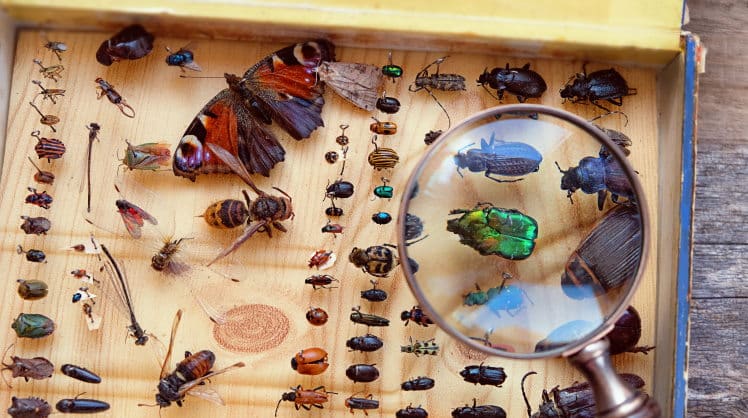
The diversity of insects is one of the most remarkable features of the natural world, with millions of species occupying nearly every habitat on Earth. To understand this vast group, scientists classify insects into distinct orders based on shared characteristics such as wing structure, developmental patterns, mouthparts, and other anatomical features. Currently, entomologists recognize 27 primary insect orders within the class Insecta, each representing unique evolutionary adaptations. In addition to these true insects, a few related hexapod groups—collectively known as the Entognatha—are included for completeness, although they are not classified as true insects. This article explores the taxonomy, distribution, morphology, behavior, reproduction, and conservation status of both the insect orders and their close relatives within Hexapoda, offering a comprehensive overview for nature enthusiasts and students alike.
Scientific Classification
Insects belong to the class Insecta, which is part of the subphylum Hexapoda within the phylum Arthropoda. Hexapods are characterized primarily by having six legs, a segmented body divided into three main parts (head, thorax, and abdomen), and, in most cases, wings. True insects (Insecta) are distinct from other hexapods due to their external mouthparts, among other anatomical traits. The other hexapod groups—collectively called Entognatha—include three orders: Collembola (springtails), Protura (coneheads), and Diplura (two-pronged bristletails). These animals have internalized mouthparts and are typically wingless and ametabolous, meaning they do not undergo metamorphosis.
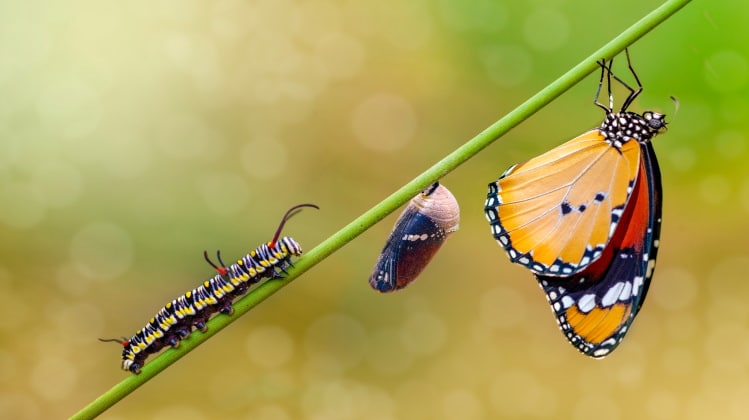
Within true insects, the classification further divides into several evolutionary groupings based on wing development and metamorphosis type. The Apterygota are wingless insects like silverfish (Zygentoma) and jumping bristletails (Archaeognatha), which are ametabolous and represent some of the most primitive lineages. The Exopterygota (also called Hemimetabola) undergo incomplete metamorphosis, where juveniles resemble miniature adults without wings, including orders like Odonata (dragonflies), Orthoptera (grasshoppers and crickets), and Blattodea (cockroaches and termites). Finally, the Endopterygota (Holometabola) are the most diverse group, characterized by complete metamorphosis with larval, pupal, and adult stages, encompassing orders such as Lepidoptera (butterflies and moths), Coleoptera (beetles), and Hymenoptera (ants, bees, and wasps).

Geographic Range & Distribution
Insects and their hexapod relatives are found on every continent, from the tropics to polar regions, and inhabit virtually every terrestrial and freshwater habitat. The Entognatha orders—springtails, proturans, and diplurans—are often microscopic or minute soil dwellers that thrive in moist environments, leaf litter, and decaying wood worldwide. Springtails (Collembola), for example, are among the most abundant hexapods in soil ecosystems, with some species occurring even in Arctic and Antarctic regions, demonstrating exceptional adaptability.
True insects have a cosmopolitan distribution and show remarkable ecological versatility. Orders like Blattodea (cockroaches and termites) are widespread in tropical and temperate regions, with termites playing crucial roles in decomposition and nutrient cycling in tropical forests. Aquatic insects such as mayflies (Ephemeroptera) and stoneflies (Plecoptera) are indicators of freshwater health and are distributed globally, though species diversity peaks in clean, well-oxygenated streams and rivers.
Highly mobile orders such as Odonata (dragonflies and damselflies) are found on all continents except Antarctica, with some species capable of long-distance migrations. Holometabolous insects like butterflies and moths (Lepidoptera) are especially diverse in tropical rainforests but also occur in temperate zones. Beetles (Coleoptera), the largest insect order, number over 350,000 described species and occupy nearly every habitat on Earth, from deserts to rainforests, demonstrating an extraordinary range in geographic distribution.
Physical Description & Appearance
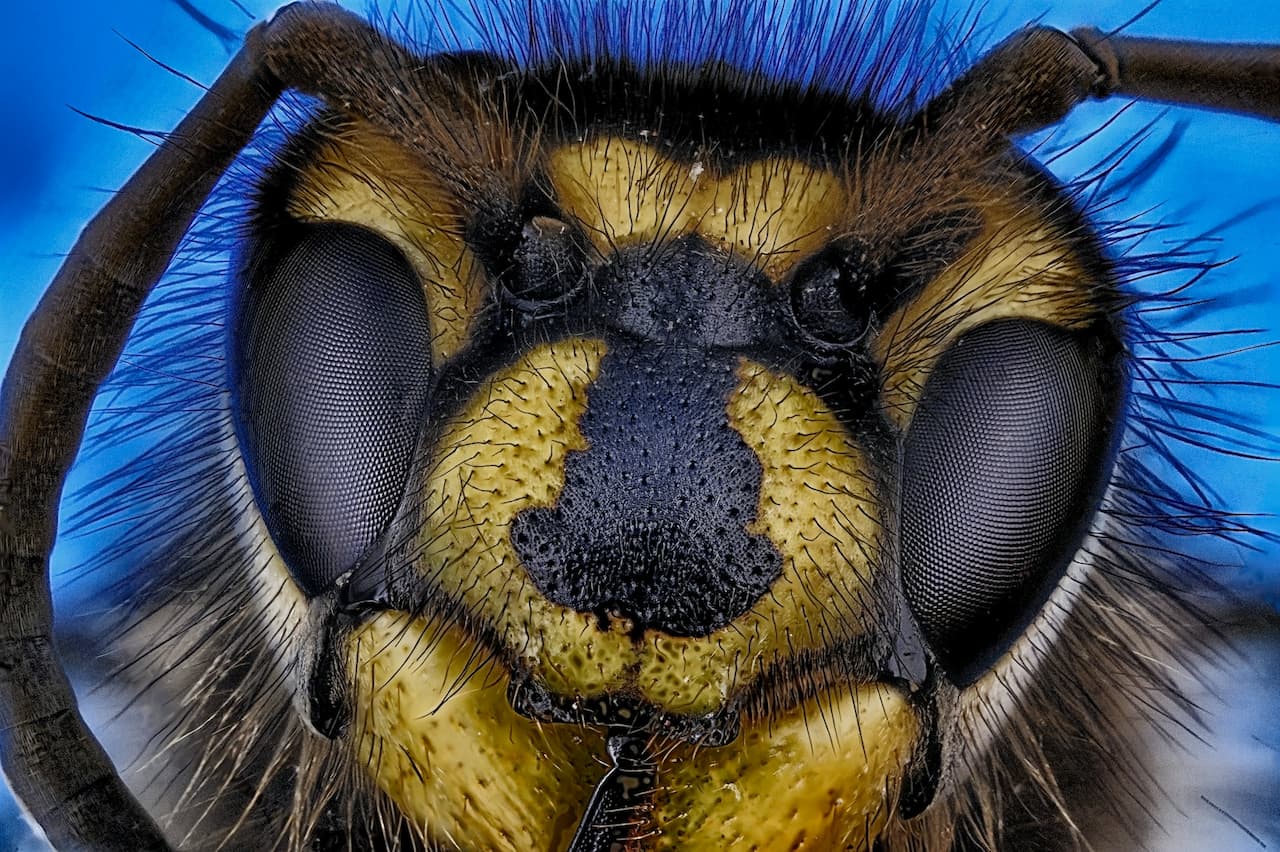
Hexapods exhibit a wide range of body forms and sizes, but all share the fundamental three-part body plan comprising the head, thorax, and abdomen. The Entognatha are typically small, soft-bodied, and wingless, often less than 6 millimeters in length. Springtails, for example, often measure between 1 and 3 millimeters and possess a specialized forked structure called a furcula that enables them to leap away from danger, an unusual trait among hexapods.
Among true insects, size varies dramatically. The smallest known insects, such as some parasitic wasps, measure less than 1 millimeter, while the largest, like the giant weta (Deinacrida heteracantha) of New Zealand, can reach lengths of up to 10 centimeters and weigh over 70 grams, rivaling small birds in mass. Wingspans are equally diverse; dragonflies (Odonata) can have wingspans up to 19 centimeters, while many beetles have hardened forewings called elytra that protect their delicate hind wings.
Wing morphology is a key distinguishing feature among insect orders. Apterygotes like silverfish lack wings entirely, while exopterygotes develop wings externally without a pupal stage. Endopterygotes undergo complete metamorphosis, with wings developing internally during the pupal stage. Mouthparts also vary greatly, reflecting diverse diets, from chewing mandibles in grasshoppers (Orthoptera) to siphoning proboscises in butterflies and moths (Lepidoptera).
Behavior & Diet
Insect behavior is as varied as their forms, shaped by evolutionary adaptations to feeding, reproduction, and survival. Entognatha are primarily detritivores or fungivores, feeding on decaying organic matter, fungi, or microorganisms in soil and leaf litter. Their simple behaviors typically include burrowing and rapid escape movements, such as the springtail’s characteristic leaps.
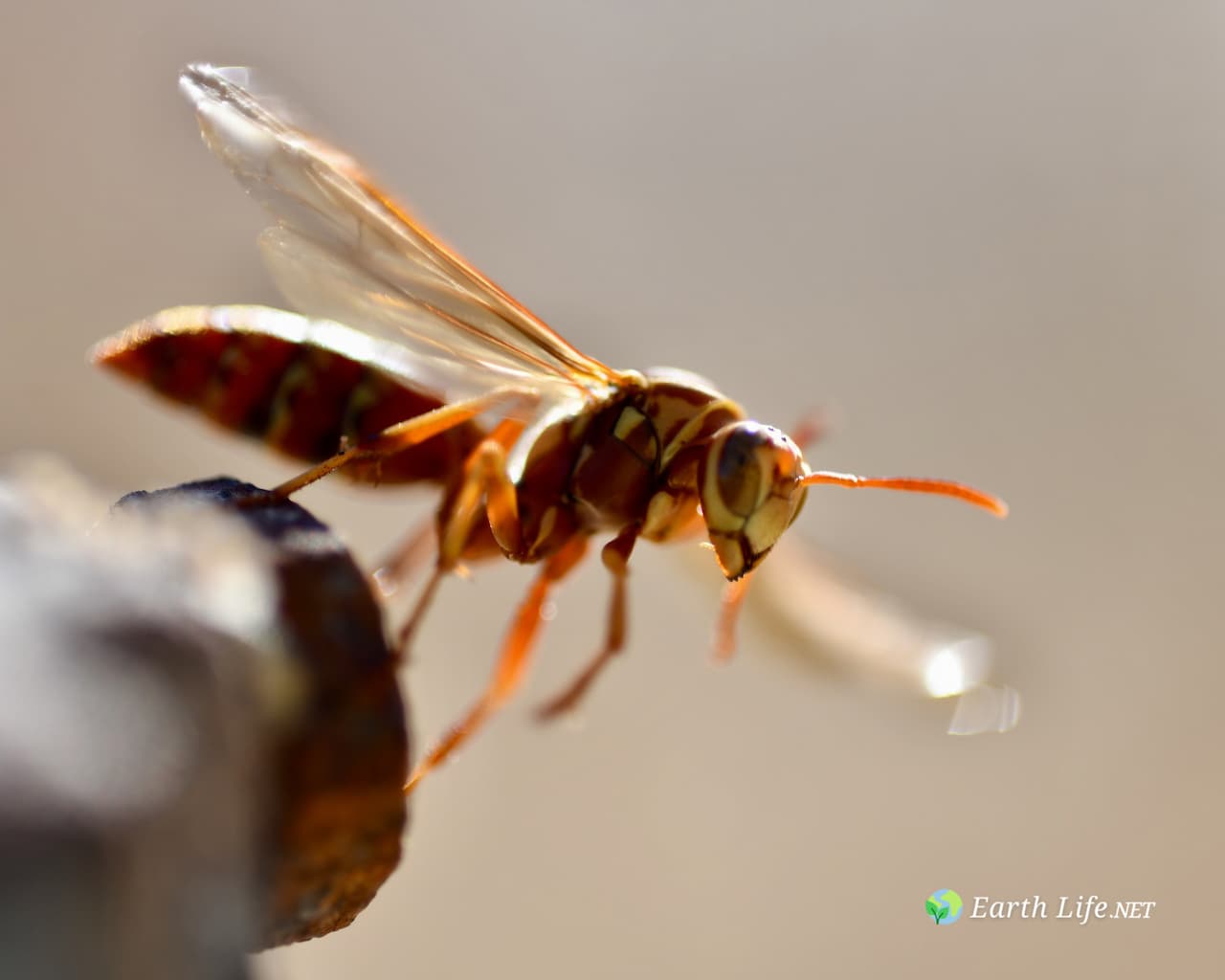
True insects exhibit a spectrum of feeding strategies. Many are herbivores, such as caterpillars that consume leaves voraciously, while others are predators or scavengers. Dragonflies and mantids (Mantodea) are formidable predators, capturing prey with swift flight and raptorial forelegs. Social insects like ants and termites display complex colony behaviors, with division of labor and cooperative foraging. Some insect orders, like fleas (Siphonaptera), are specialized parasites feeding on blood, while others like bees (Hymenoptera) are crucial pollinators relying on nectar and pollen.
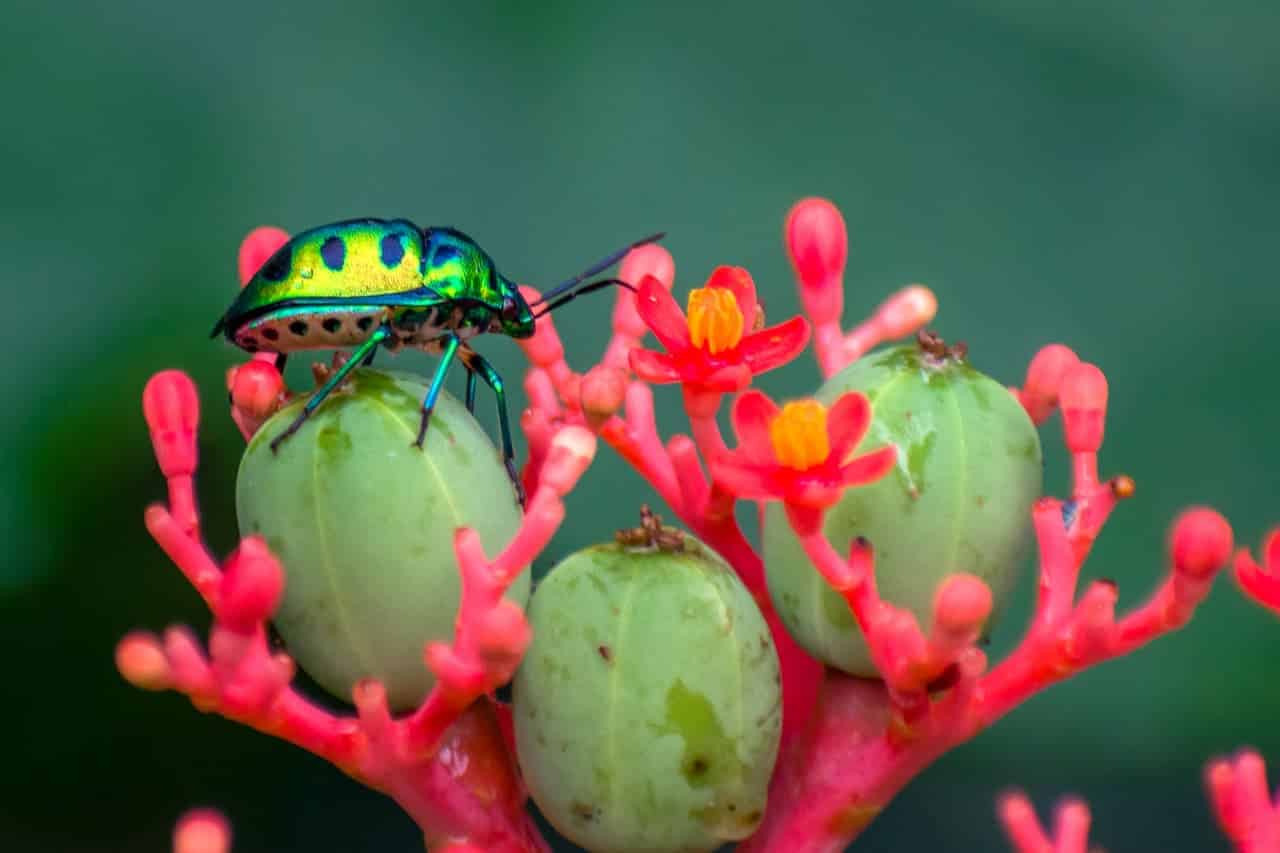
Dietary adaptations often correlate with mouthpart types. Chewing mandibles dominate in orthopterans and beetles, while piercing-sucking mouthparts characterize true bugs (Hemiptera) that feed on plant sap or animal fluids. In aquatic insects, filter-feeding larvae of mayflies and caddisflies play vital roles in freshwater ecosystems, consuming algae and detritus. According to iNaturalist, this species is well documented.
Breeding & Reproduction
Insect reproduction is marked by diverse strategies that enhance survival in varied environments. Most insects reproduce sexually, with elaborate courtship behaviors ranging from the visual displays of butterflies to the complex chemical signaling of moths and beetles. Fertilization is typically internal, and egg-laying sites vary widely, from soil and plant tissues to water bodies. According to Bug Guide, this species is well documented.
Entognatha reproduce by laying eggs in moist substrates, often with simple development where juveniles closely resemble adults. Apterygotes are ametabolous, meaning juveniles hatch as miniature adults and grow through successive molts. Hemimetabolous insects undergo incomplete metamorphosis, with nymphs gradually developing wings and adult characteristics through molts, as seen in grasshoppers and dragonflies.
Holometabolous insects exhibit complete metamorphosis, with distinct larval, pupal, and adult stages. This separation allows larvae to exploit different ecological niches from adults, reducing competition within species. For example, butterfly caterpillars feed on leaves, while adults primarily consume nectar. Social insects like bees and ants have highly organized reproductive systems, with queens responsible for egg-laying and workers performing colony maintenance.
Conservation Status
Insects face increasing threats from habitat loss, pollution, climate change, invasive species, and pesticide use. While many insect species are abundant and resilient, several are experiencing alarming population declines globally. The International Union for Conservation of Nature (IUCN) Red List includes numerous insect species categorized as vulnerable, endangered, or critically endangered, particularly among specialized or habitat-restricted groups.
For example, some dragonflies and damselflies (Odonata) are sensitive to water quality and habitat fragmentation, with certain species listed as endangered due to wetland destruction. Butterflies such as the Monarch (Danaus plexippus) face threats from habitat loss and climate shifts, prompting conservation efforts across North America. Many beetle species, including the stag beetle (Lucanus cervus), are declining because of deforestation and urbanization.
Conservation initiatives increasingly recognize the importance of insects for ecosystem functions like pollination, nutrient cycling, and as food sources for other wildlife. Protecting insect habitats, restoring native vegetation, reducing pesticide reliance, and promoting biodiversity-friendly land management are critical strategies to safeguard insect diversity worldwide.
Interesting Facts
Insects represent the most diverse group of animals on Earth, with estimates suggesting there could be over 5.5 million species, of which only about one million have been formally described. The order Coleoptera (beetles) alone accounts for roughly 40% of all known insects. Their evolutionary success is attributed to their hardened elytra, which protect their wings and body, allowing them to colonize a vast range of habitats.
The Entognatha group, though less well-known, plays a crucial role in soil health. Springtails help decompose organic matter and aerate soil, making nutrients more available to plants. Despite their small size—often less than 3 mm—they can occur in densities of hundreds of thousands per square meter, underscoring their ecological importance.
Some insect orders display remarkable adaptations. The Phasmatodea (stick insects) are masters of camouflage, mimicking leaves and twigs to evade predators. In contrast, the Hymenoptera include eusocial species with complex societies, such as leafcutter ants that cultivate fungus gardens. The remarkable migratory behavior of the Monarch butterfly involves generations traveling thousands of kilometers across North America, a feat unmatched by most other insects.
Insects have been around for over 400 million years, predating the dinosaurs. Their fossil record includes giant dragonflies with wingspans of up to 70 centimeters that soared the prehistoric skies. Today’s insects continue to captivate scientists and nature lovers alike, offering endless opportunities for discovery and appreciation of life’s diversity.
Overall, the insect orders and their hexapod relatives showcase the incredible adaptability and evolutionary innovation of small-bodied animals. Their ecological roles, fascinating behaviors, and sheer numbers make them indispensable components of Earth’s biodiversity, deserving of both scientific study and conservation attention.


This is a terrific website! It’s so informative, & so interesting. What an amazing amount there is to learn about insects!